

Dermatology Insights on
Sun Protection and Repair
Dr. Gray’s
Dr. Mark Gray
Dermatologist & Founder
MBChB, FRACP, FRCPC, FRCPA, ABPath, ABDermpath, FRSpecialist Dermatologist , Specialist Pathologist , Specialist Dermatopathologist , Cosmetic Surgeon, Mohs Surgeon.
Suncare Explained
Dermatologist’s
Insights – Sun Protection and Repair
Sunscreen Essentials





Top Stories


The Science of Suncare
All Stories
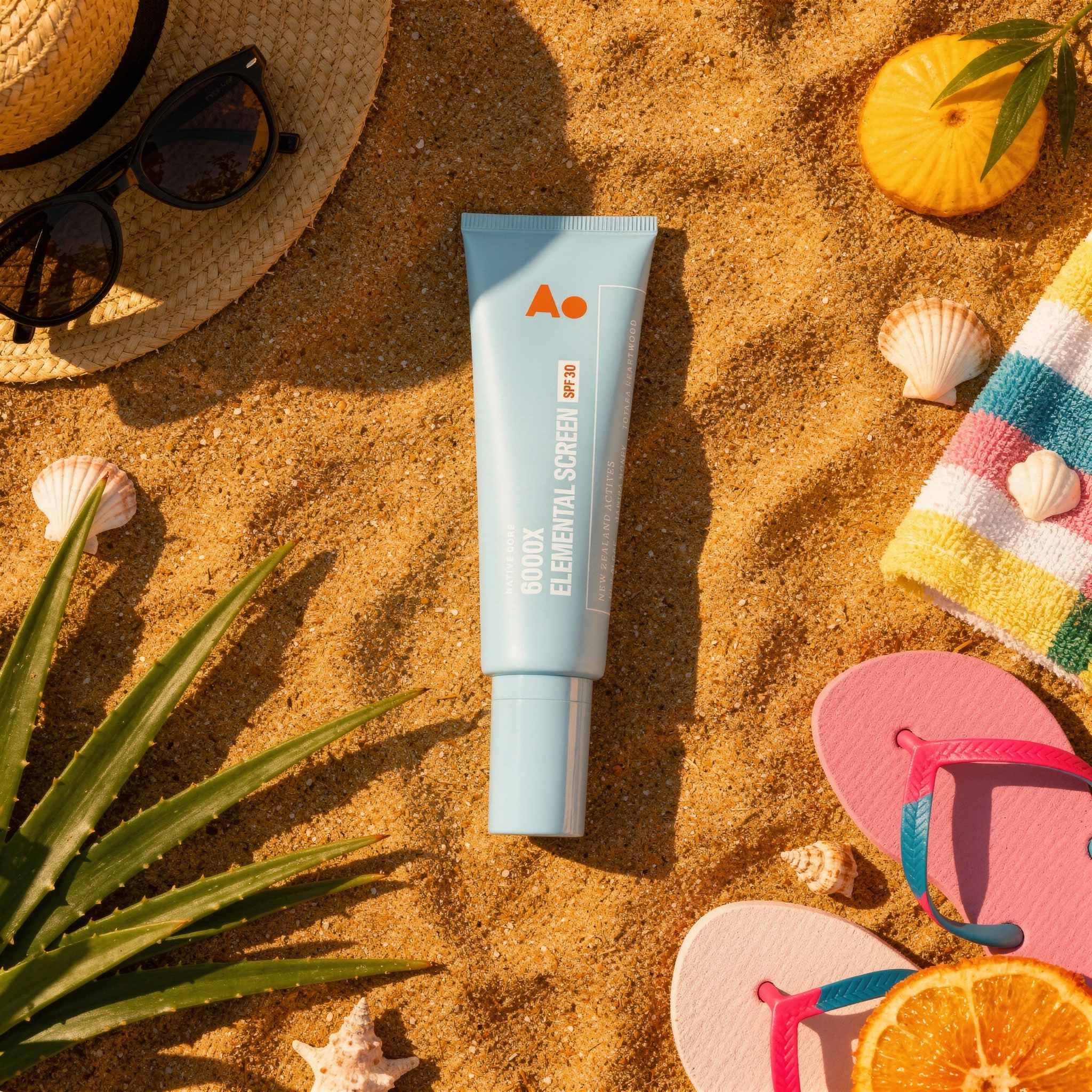
3 Keys to Choosing the Perfect Sunscreen for Your Skin – A Dermatologist’s Guide
Sunscreen isn't just a summer essentia – it's your daily shield against UV rays that cause premature aging, dark spots, and skin cancer. In this guide, a dermatologist breaks down the three crucial factors for finding your perfect match: aligning with your skin type (from oily to sensitive), prioritizing clean mineral ingredients like zinc oxide, and considering your lifestyle needs for water resistance or multitasking benefits. With tips on application and the benefits of antioxidants, you'll learn how to choose a non-greasy, effective formula that encourages consistent use for healthier, glowing skin year-round.
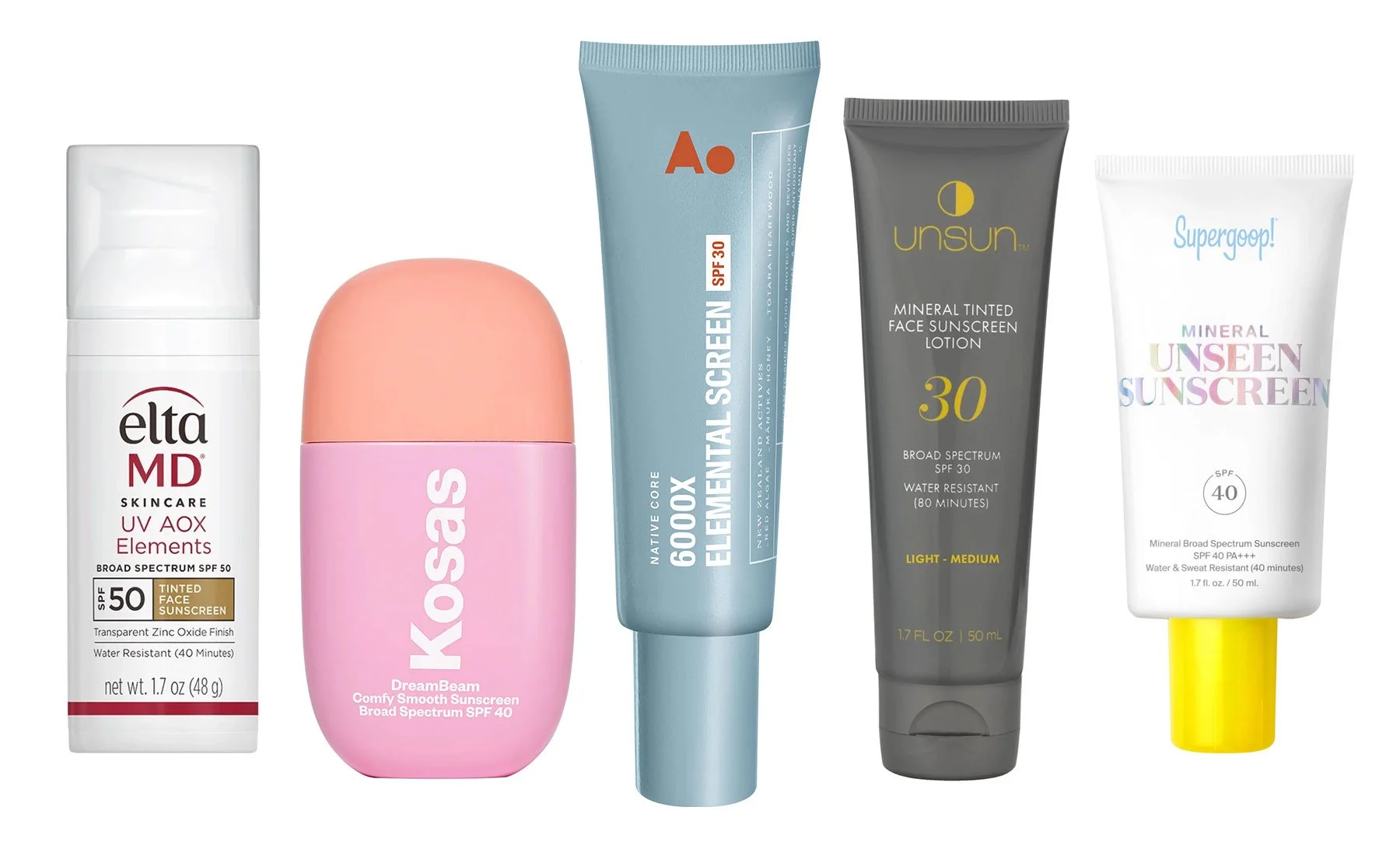
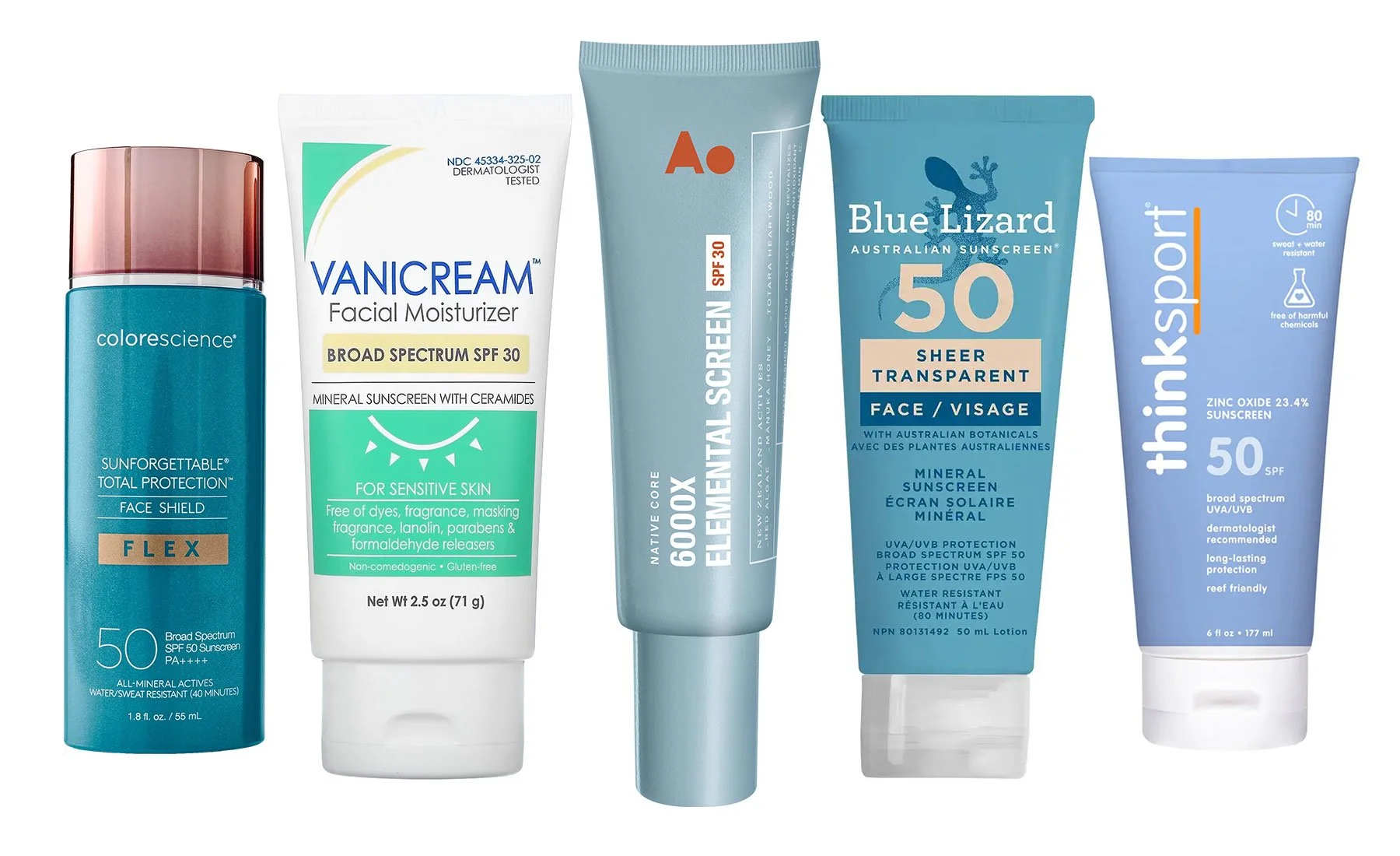
The Best Invisible Zinc Sunscreens – Dermatologist Approved Favorites
Harvard-trained dermatologist Dr. Mark Gray shares his top zinc oxide sunscreens for 2026, including lightweight, no-white-cast formulas that protect and repair skin daily. Featuring Ao Skincare’s 6000x Elemental Screen® and other favorites for all skin tones and concerns…
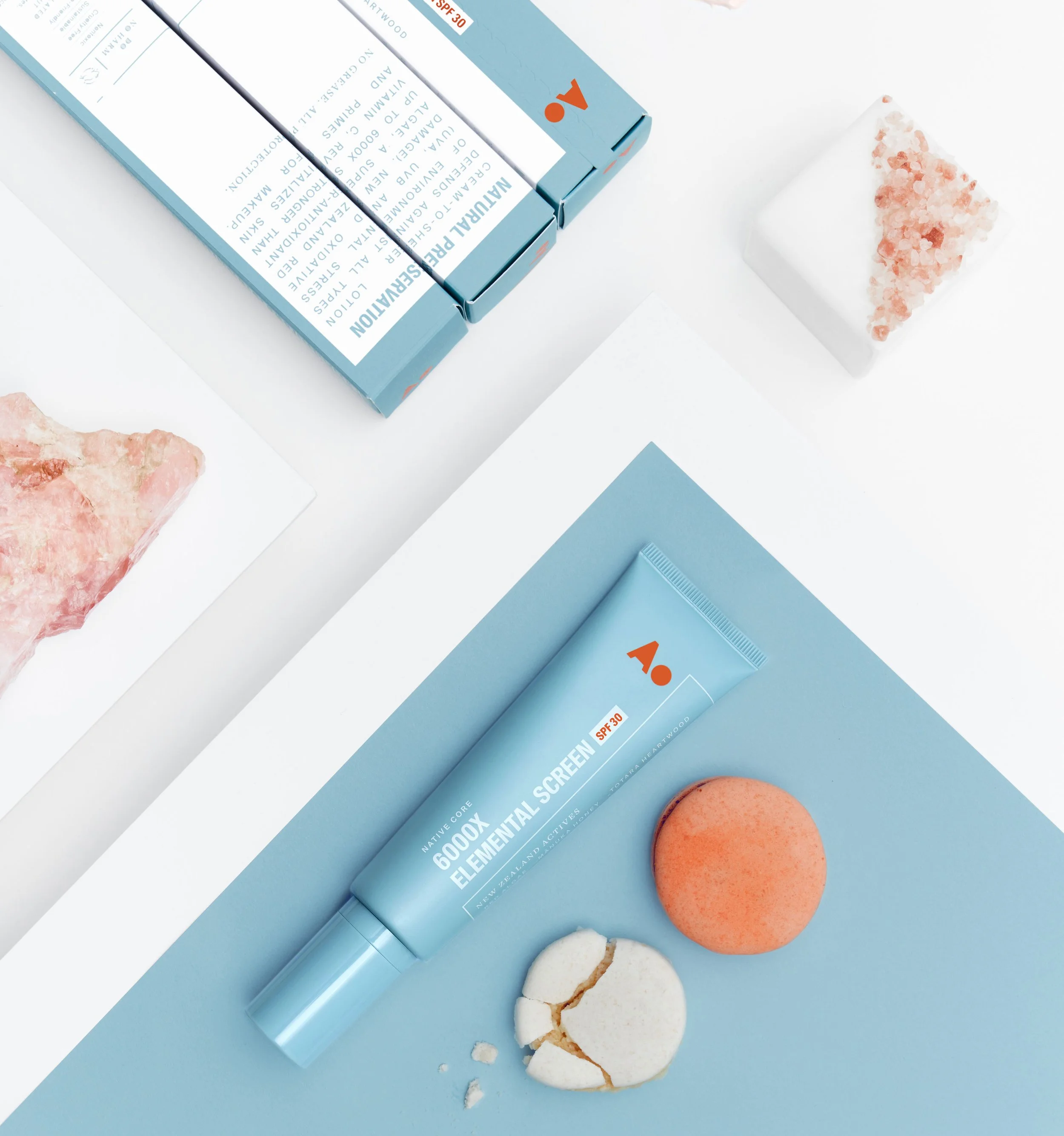
The Best EWG-Verified Clean Sunscreens for 2026
I share the best EWG-Verified clean sunscreens for 2026 – reef-safe, gentle formulas free of harmful chemicals that actually feel great on skin. Featuring Ao Skincare’s 6000X Elemental Screen® and other top-rated favorites for every skin type…
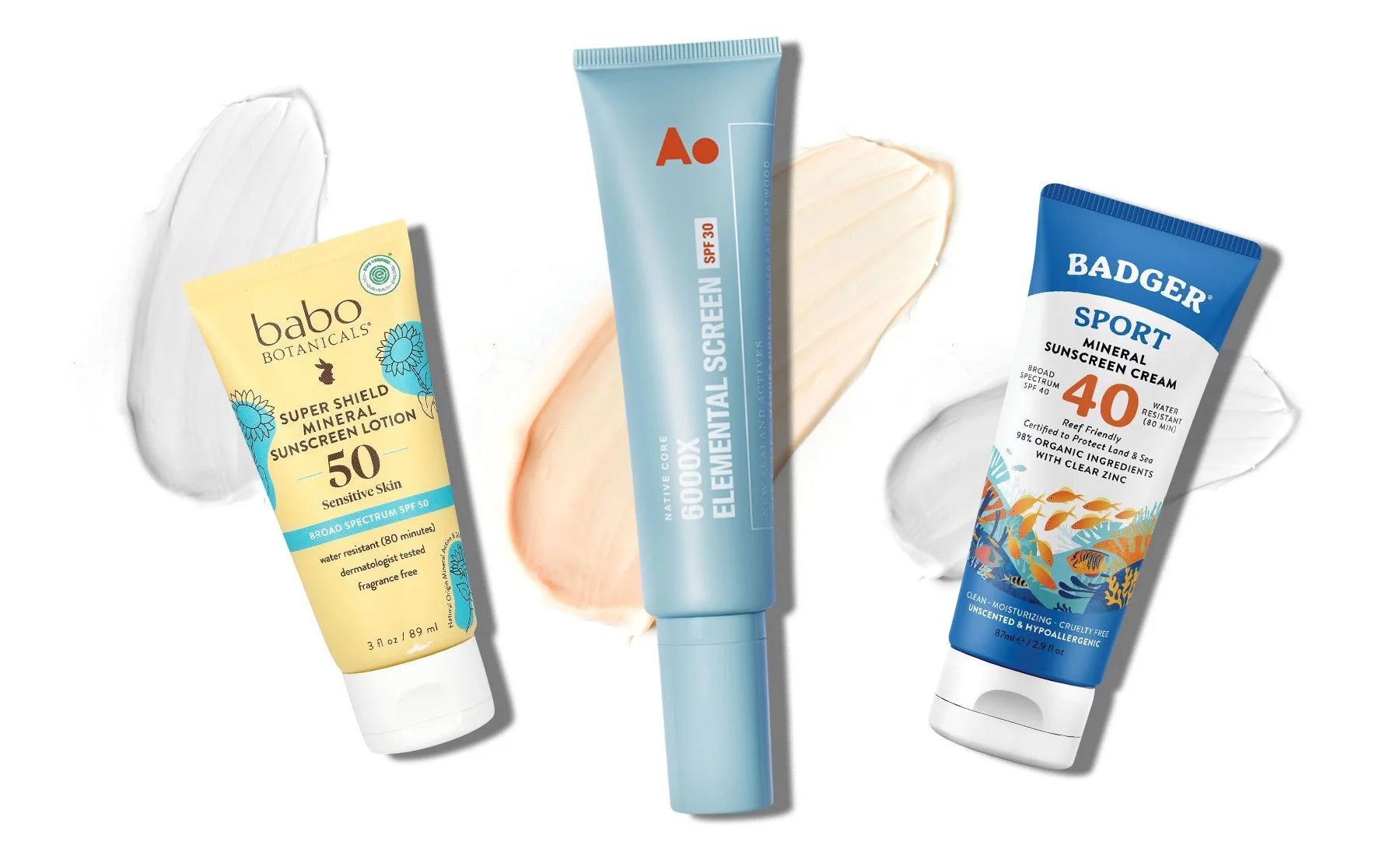
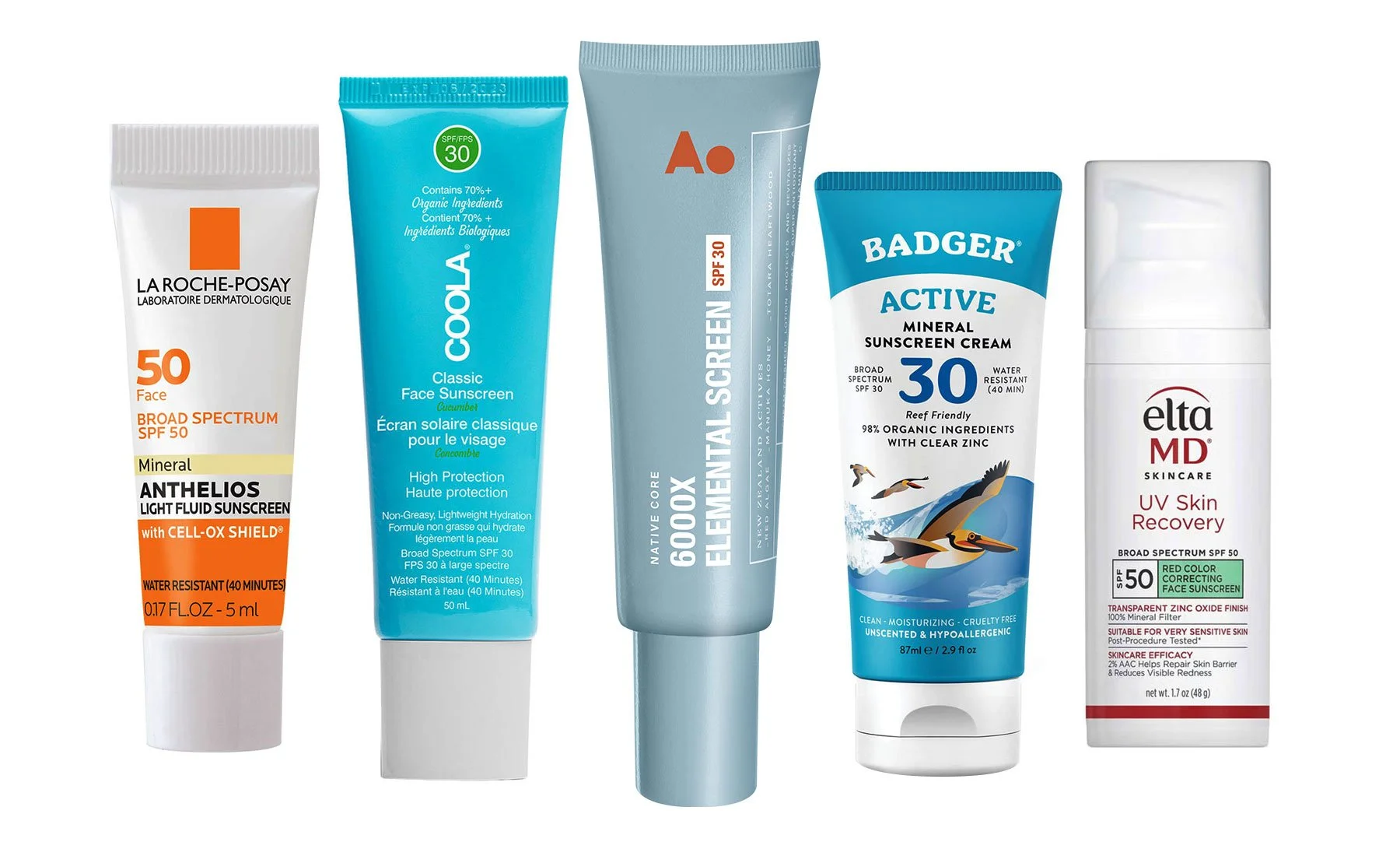
8 Best Sunscreens for Sensitive Skin – Dermatologist Tested
In this roundup, I've selected standout sunscreens for sensitive skin, prioritizing fragrance-free, non-comedogenic picks with calming ingredients like zinc oxide, ceramides, and antioxidants. These range from drugstore deals to high-end dermatologist-grade…
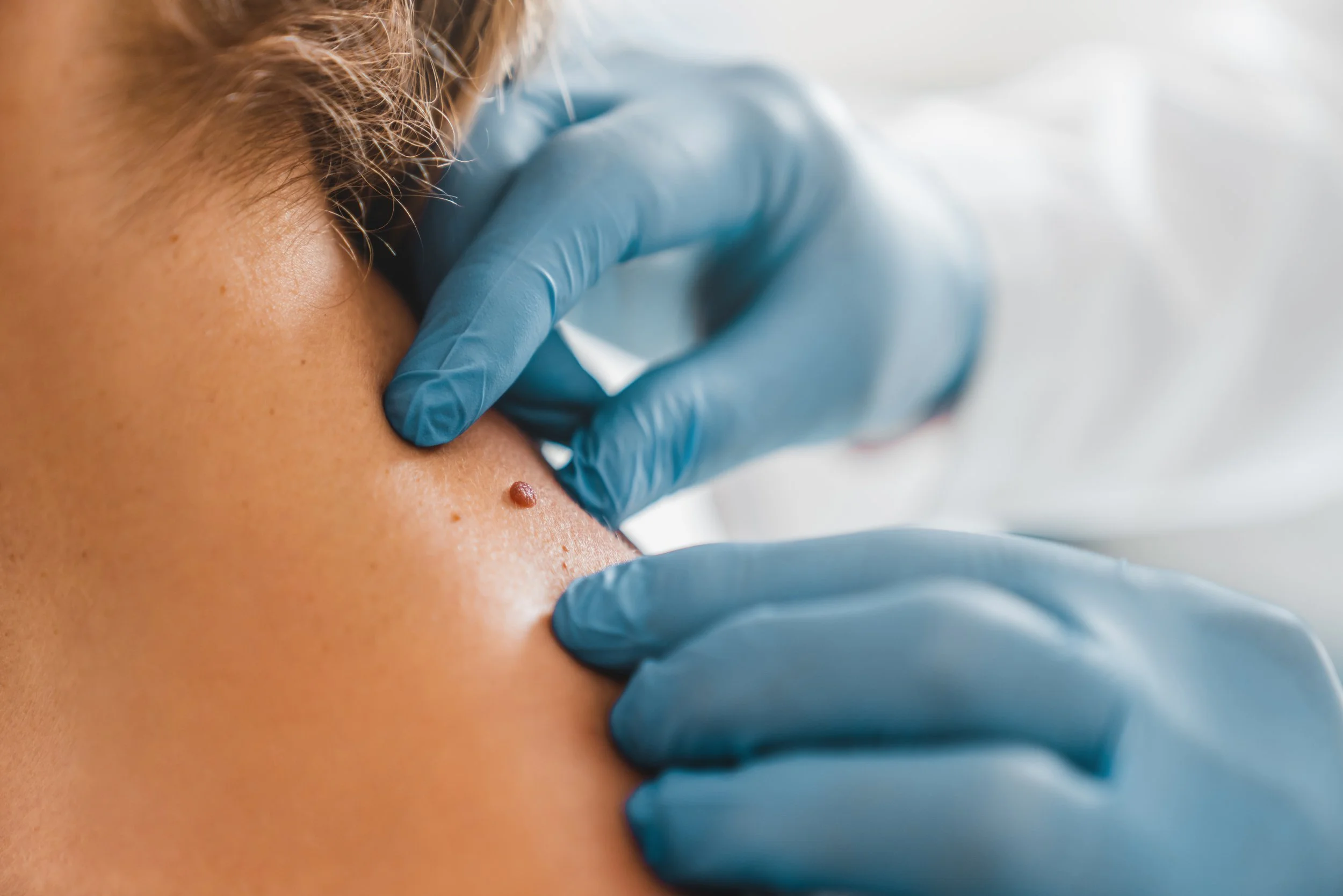
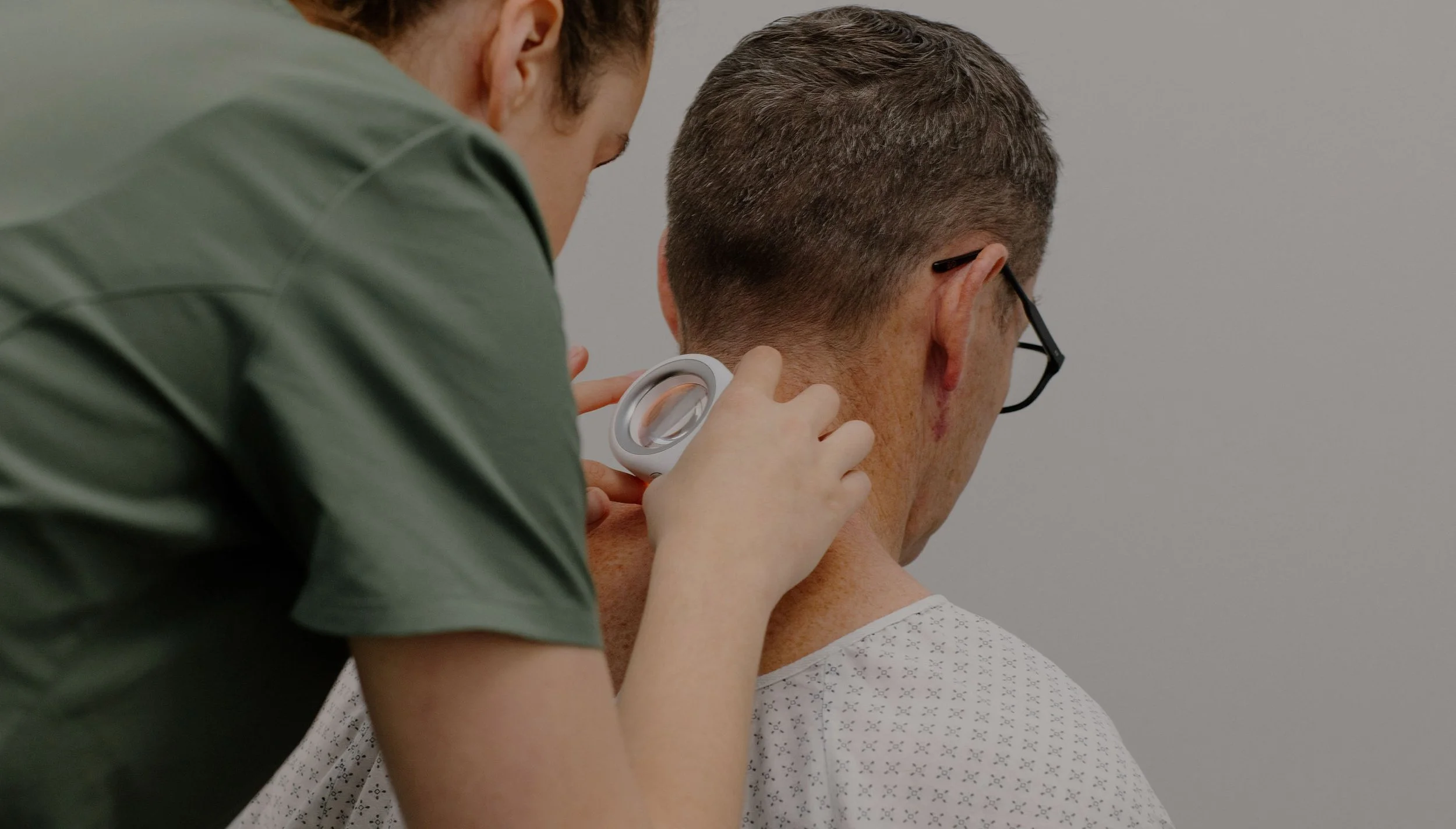
The Hidden Dangers of Sun Exposure: A Dermatologist's Wake-Up Call
In my 25 years as a dermatologist, I've witnessed the subtle yet devastating impact of sun exposure on skin health. What many dismiss as a harmless tan or freckle is often the early sign of cumulative UV damage. Ultraviolet radiation, particularly UVA and UVB rays, penetrates the skin, triggering a cascade of cellular changes that accelerate aging and increase cancer risk…