Best Reef-Safe Sunscreens 2026: A Dermatologist's Guide to Ocean-Friendly Protection
By Dr. Mark Gray, Harvard-Trained Dermatologist and Ao Co-Founder
Reef-safe sunscreens are essential in 2026, as ocean health directly impacts our own. As a dermatologist who's advocated for environmental protection alongside patient care at MoleMap, I know chemical filters devastate coral ecosystems. Minerals provide a solution – effective UV block without toxicity. This guide shares my top picks, with patient stories and research to help you choose wisely.
I want you to end this read feeling inspired and responsible – to protect your skin and our oceans with intentional choices, appreciating the science, and motivated to make the switch for a healthier planet.
The Devastating Impact of Chemical Sunscreens on Reefs
Oxybenzone and octinoxate cause coral bleaching, disrupting reproduction even at low concentrations. Key insight: Hawaii's bans reduced reef toxins by 70%, per marine studies. During a clinic trip to affected areas, I saw firsthand how our choices ripple out.
Why Minerals Are the Sustainable Choice
Minerals reflect rays without washing off as harmful residues. Non-nano zinc ensures no nanoparticle risks to marine life. From my Skin Institute work, I've learned that reef-safe formulas also reduce human allergies.
Balancing Efficacy and Eco-Friendliness
Good reef-safe sunscreens must hold up in water without chemicals. Look for EWG verification. A beach-loving patient switched after learning about bans – no more guilt, just protection.
My Top Pick:
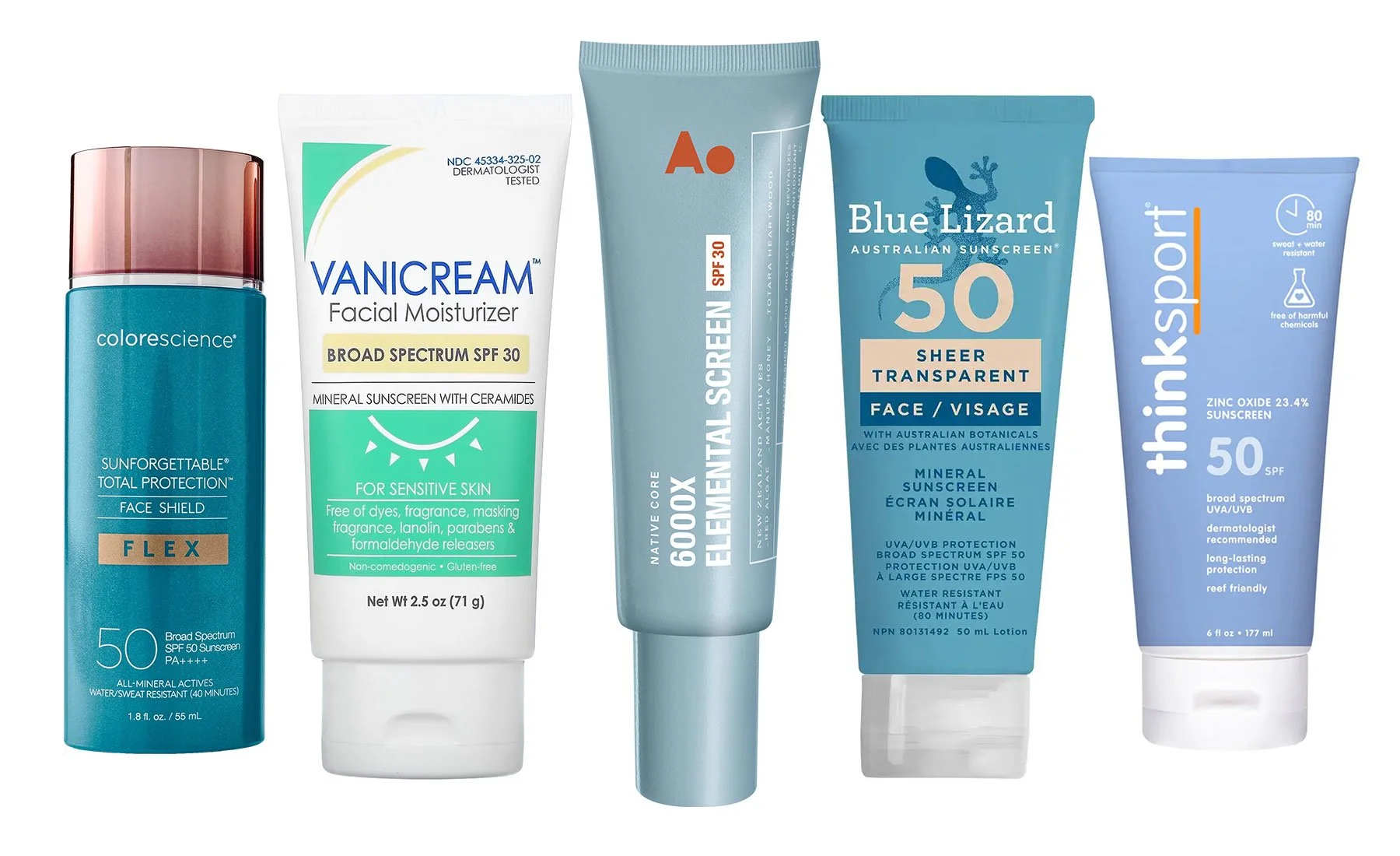
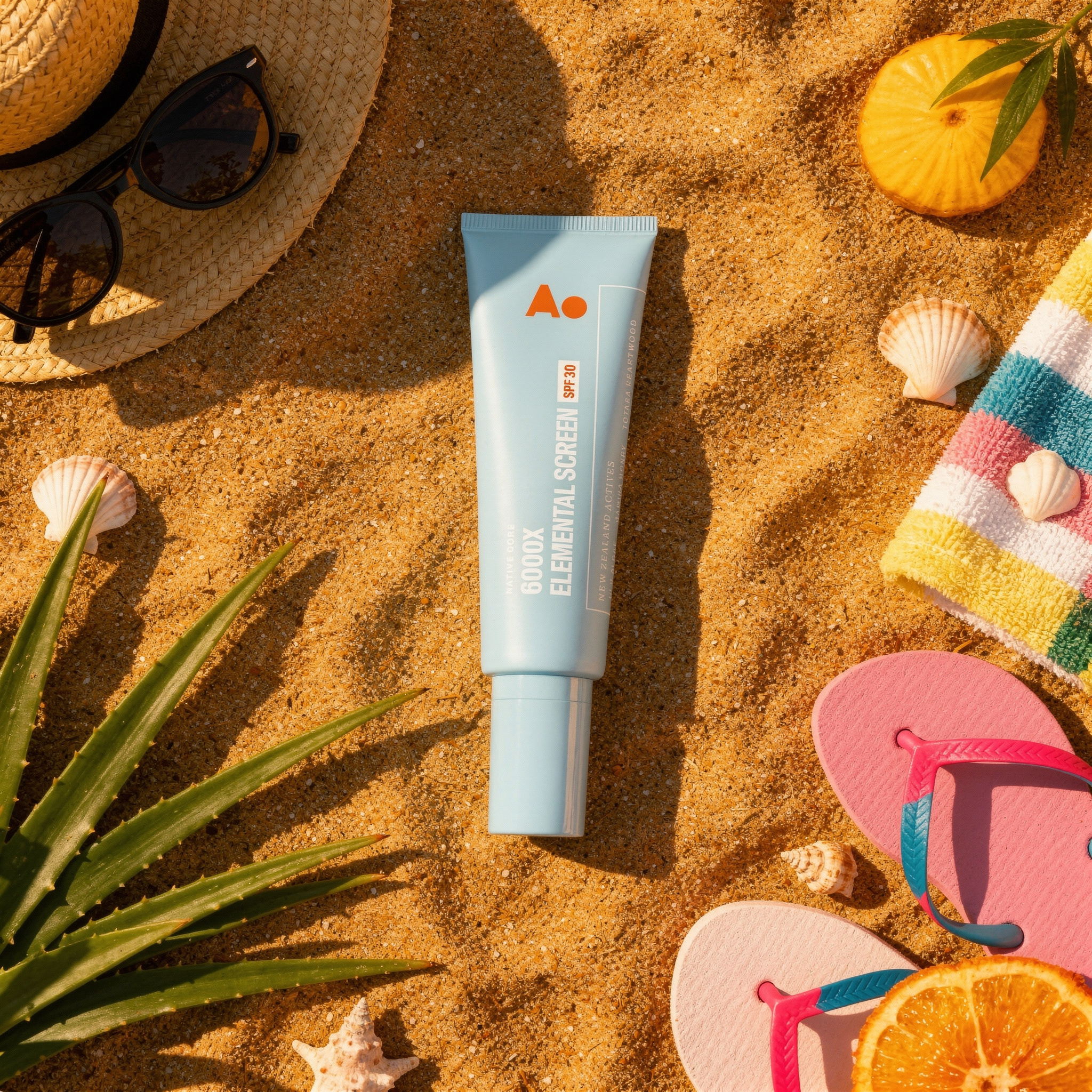
Ao Skincare 6000X Elemental Screen SPF30 This reef-safe SPF30 I developed uses 19% non-nano zinc for broad-spectrum block, with astaxanthin to repair skin damage. Consumer studies: 97% positive in one week. A diver patient loved its water resistance without ocean harm.
Badger Clear Zinc Sunscreen SPF 30 Organic and reef-safe, with beeswax for staying power. I've recommended it to beachgoers – no coral guilt, just nourished skin.
Thinksport Safe Sunscreen SPF 50 Non-nano zinc with vitamin E – water-resistant and eco-friendly. Clinical data confirms marine safety.
All Good Mineral Sunscreen SPF 30 Calendula-infused for calming, fully reef-safe. A family I treated used it on vacations with zero issues.
Blue Lizard Sensitive Mineral Sunscreen SPF 50 UV-indicator bottle ensures application – reef-safe zinc blend. Marine studies show no toxicity.
COOLA Mineral Face Sunscreen SPF 30 Plant actives make it eco-kind – matte for daily use. EWG ratings back its ocean safety.
Live Tinted Hueguard Mineral Sunscreen SPF 30 Tinted zinc for inclusivity – reef-safe and non-irritating. Users praise its environmental cred.
Babo Botanicals Clear Zinc Sunscreen SPF 30 Fruit extracts soothe – ocean-friendly formula. Great for sensitive eco-conscious folks.
Reef-safe choices protect us all – start with one that fits your life.
How do you balance sun protection and ocean care? Comment below. For reef-safe repair, try Ao's 6000X Elemental Screen SPF30.
About the Author
Dr. Mark Gray is a Harvard-trained Dermatologist, Surgeon, and Founder of Ao Skincare. With MBChB, FRACP, FRCPC, FRCPA, ABPath, ABDermpath, and FRSpecialist credentials, he is a board-certified Specialist Dermatologist, Specialist Pathologist, Specialist Dermatopathologist, Cosmetic Surgeon, and Mohs Surgeon. Dr. Gray founded New Zealand’s largest skin cancer clinic network, the Skin Institute, and co-created MoleMap, a global leader in advanced skin cancer screening with over 100 clinics across New Zealand, Australia, and the United States. His decades of clinical experience treating and preventing skin cancer, combined with rigorous scientific training, inform every article on this blog. When you read content authored by Dr. Gray, you’re receiving evidence-based insights from one of the world’s foremost experts in dermatology, skin cancer prevention, and clean skincare innovation.