5 Things to Look Out For With Cheap Sunscreens
By Dr. Mark Gray, Harvard-Trained Dermatologist and Ao Co-Founder
As a Harvard-trained dermatologist and surgeon with over three decades in the fight against skin cancer, I've seen firsthand the devastating effects of UV exposure. From founding New Zealand's largest skin cancer clinic chain, the Skin Institute, to pioneering MoleMap with over 100 clinics worldwide, my career has been dedicated to prevention. Sunscreen is a cornerstone of that effort – but not all sunscreens are created equal. In today's market, cheap options flood shelves and online stores, promising protection at a bargain price.
While affordability is appealing, these products often cut corners on quality, safety, and efficacy. Drawing from clinical experience, scientific studies, and my work developing Ao Skincare's clean, mineral-based formulas, here are five critical things to watch out for with cheap sunscreens. This isn't about fear-mongering; it's about empowering you to make informed choices for your skin's long-term health.
1. Harmful Chemical Ingredients That Absorb Into Your Body
Cheap sunscreens frequently rely on chemical filters like oxybenzone, octinoxate, avobenzone, and homosalate to keep costs down. These ingredients work by absorbing UV rays and converting them to heat, but the real concern is how they absorb into *your* skin and bloodstream. According to FDA studies, these chemicals can be detected in blood, urine, and even breast milk after just one application, often exceeding safety thresholds. In one trial, levels of oxybenzone in participants' plasma soared to over 500 times the FDA's concern threshold after four days of use.
More here: https://www.fda.gov/news-events/fda-brief/fda-brief-fda-announces-results-second-sunscreen-absorption-study and here: https://www.draliabadi.com/blog/potentially-bad-ingredients-in-sunscreen/
Why does this matter? Once absorbed, these compounds linger in the body. From my time treating patients at the Skin Institute, I've seen how systemic exposure can exacerbate issues for those with sensitive systems. Cheap formulas often use higher concentrations of these chemicals to achieve SPF ratings without investing in better technology, increasing absorption risks. In contrast, mineral sunscreens like zinc oxide – the backbone of Ao's 6000X Elemental Screen SPF30 – sit on the skin's surface, physically blocking rays without penetrating deeper layers. Studies confirm minerals have negligible absorption, making them a safer bet for daily use.
More here: https://www.ewg.org/sunscreen/report/the-trouble-with-sunscreen-chemicals/
If you're slathering on a budget brand multiple times a day, as recommended, you're potentially introducing these chemicals systemically over time. Always check labels: if it's loaded with these absorbers and skimps on stabilizers, it's a red flag.
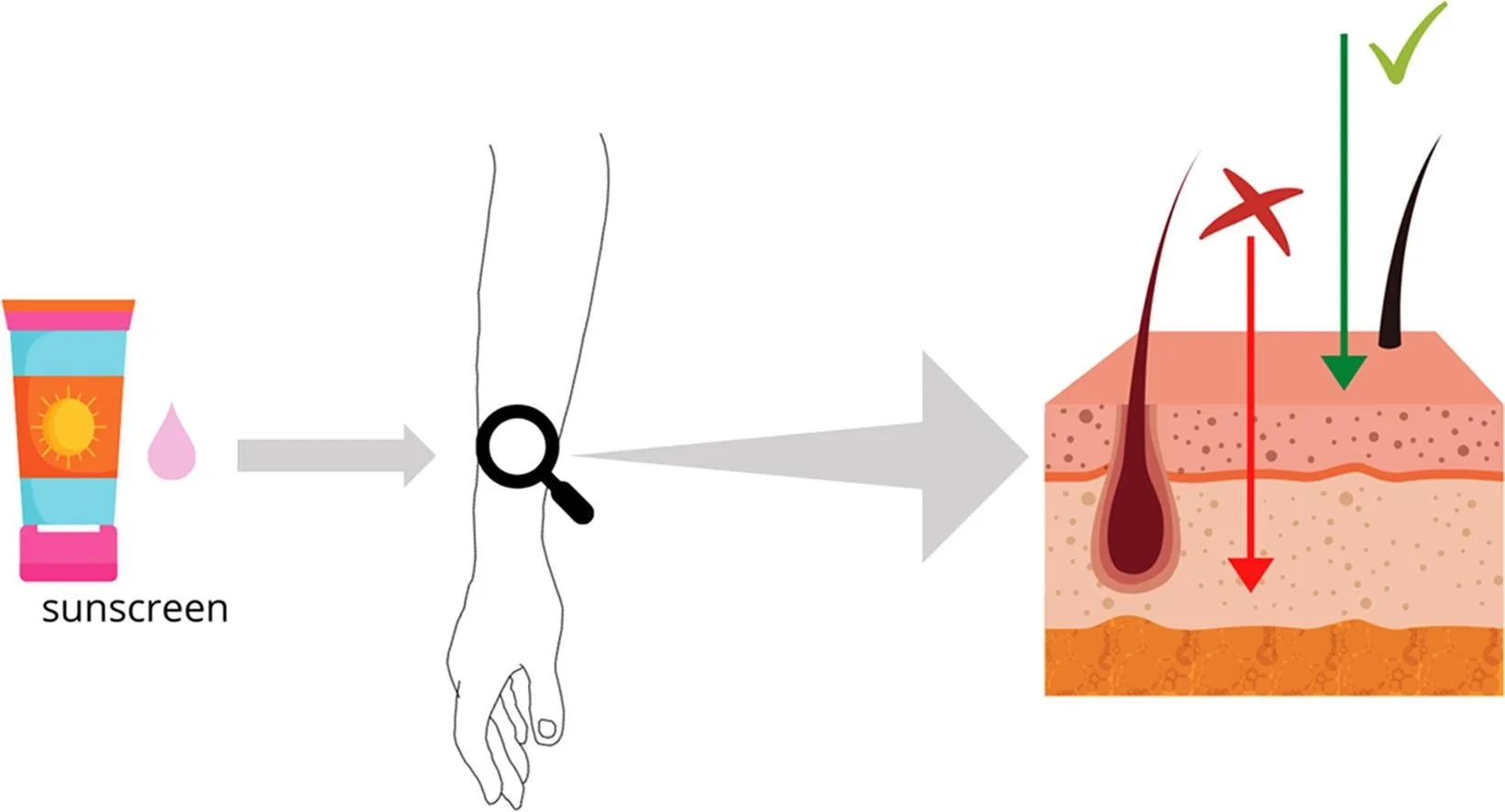
Image from Science Direct
2. Potential for Hormonal Disruption and Reproductive Concerns
One of the most alarming aspects of cheap chemical sunscreens is their potential to act as endocrine disruptors. Ingredients like oxybenzone and octinoxate mimic hormones in lab and animal studies, interfering with estrogen, testosterone, and thyroid function. The Environmental Working Group (EWG) has flagged these as high-concern chemicals, with evidence linking oxybenzone to altered sperm function and endometriosis in women. While human evidence is still emerging and not conclusive for widespread harm at typical doses, the FDA has called for more data on these risks, especially for children who are more vulnerable.
More here: https://www.ewg.org/research/cdc-americans-carry-body-burden-toxic-sunscreen-chemical and here: https://www.ewg.org/sunscreen/report/the-trouble-with-sunscreen-chemicals/
In my practice, I've counseled families on avoiding unnecessary exposures, particularly during pregnancy or puberty when hormone balance is critical. Cheap sunscreens often prioritize cost over safety testing, using these disruptors because they're inexpensive and effective at high SPFs. A 2020 study showed that even low doses of oxybenzone can affect fetal development, potentially leading to low birth weight in girls. European regulators have already limited concentrations of these ingredients due to endocrine concerns.
More here: https://www.ewg.org/research/cdc-americans-carry-body-burden-toxic-sunscreen-chemical
Switching to mineral-based options eliminates this worry. Ao's formulas, developed with first-principles thinking, use non-nano zinc oxide – no absorption, no hormonal interference. It's why I founded Ao: to provide protection without the hidden costs to your body's delicate systems.
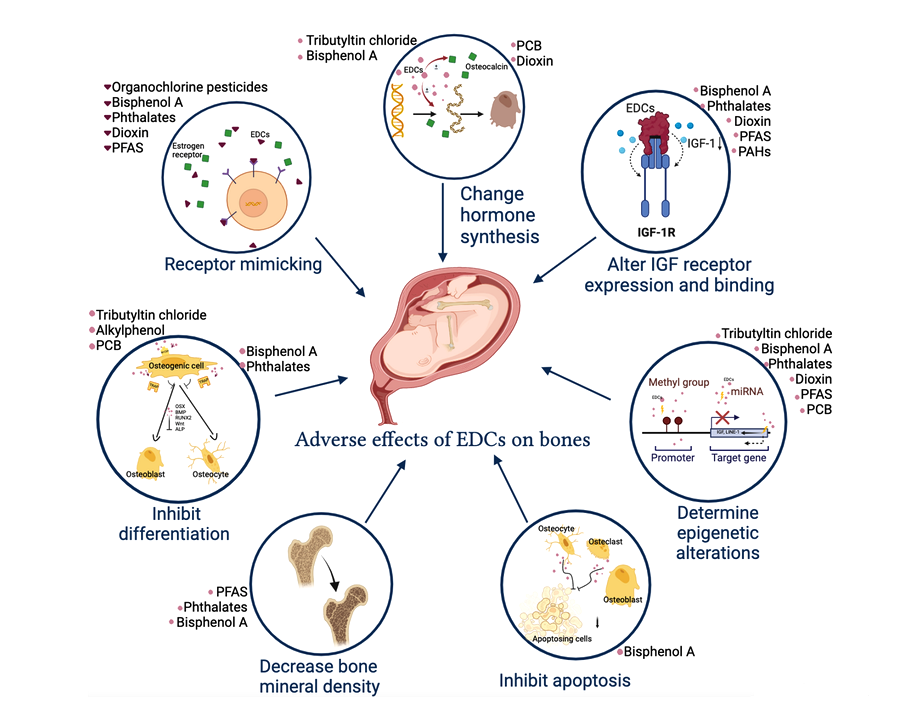
Image from Research Gate
3. Increased Risk of Allergic Reactions and Skin Irritation
Bargain sunscreens cut costs by using unstable or irritating ingredients, leading to allergic reactions in up to 10% of users. Chemical filters like oxybenzone are notorious for causing contact dermatitis – red, itchy rashes that worsen in the sun. In my clinics, I've treated numerous cases where patients switched to cheap brands only to end up with inflamed skin, mistaking it for sunburn. These reactions stem from the chemicals' reactivity and penetration, especially in sensitive or damaged skin.
More here: https://www.ewg.org/sunscreen/report/the-trouble-with-sunscreen-chemicals/

Preservatives like methylisothiazolinone, common in low-cost formulas, are another culprit for allergies. Fragrances – often undisclosed and added to mask chemical smells – can trigger photosensitivity, making skin more vulnerable to burns. Studies show chemical sunscreens have a higher allergy risk than minerals, which are inert and gentle.
From MoleMap screenings, I've seen how irritation discourages consistent use, defeating sunscreen's purpose. Cheap products rarely invest in hypoallergenic testing, leading to photodegradation (breakdown under sun) that creates irritating byproducts. Ao's fragrance-free, EWG Verified® mineral approach minimizes this – our users report 97% positive experiences after just one week, with no common irritants.
4. Serious Environmental Harm, Including Coral Reef Damage
Cheap sunscreens are often the biggest culprits in ocean pollution. Chemicals like oxybenzone and octinoxate wash off swimmers, causing coral bleaching even at concentrations as low as a drop in an Olympic-sized pool. These toxins damage coral DNA, disrupt reproduction, and exacerbate heat stress, leading to widespread reef death. Hawaii, Key West, Palau, and parts of Australia have banned these ingredients since 2018-2022, citing marine harm.

In my work, I've advocated for environmental health as part of human health – damaged reefs mean lost biodiversity affecting us all. Budget brands use these cheap chemicals without regard, contributing to the estimated 14,000 tons of sunscreen entering oceans yearly. Minerals like zinc are reef-safe, with no such toxicity. Ao's non-nano zinc formulas protect without polluting – a choice that aligns with my lifelong commitment to sustainable prevention.
5. Inadequate or Misleading Protection Claims
Finally, cheap sunscreens often fail on efficacy. To hit low prices, they skimp on broad-spectrum coverage, using chemicals that degrade quickly or lack full UVA protection – the rays linked to aging and cancer. EWG reports that 75% of sunscreens don't provide adequate protection or contain concerning ingredients. Many claim high SPF but falter in water resistance or photostability, leaving you exposed.
More here: https://www.ewg.org/sunscreen/report/the-trouble-with-sunscreen-chemicals/ and here: https://draxe.com/beauty/best-sunscreens/
From clinical trials at Dermatest, I know true protection requires stable, tested formulas. Cheap ones rarely undergo rigorous independent verification, leading to misleading labels. Ao's SPF30 is Dermatest-verified, with 100% improvement in elasticity and roughness. Don't risk it – invest in proven quality.
More here: https://www.mdpi.com/2076-3417/13/2/712
In conclusion, while cheap sunscreens seem tempting, their hidden risks – from absorption to environmental damage – outweigh the savings. As someone who's removed countless skin cancers, I urge you to choose wisely. Ao Skincare, born from my expertise, offers clean, effective alternatives that protect without compromise. Prioritize your health – and the planet's – with better sunscreen today.
About the Author
Dr. Mark Gray is a Harvard-trained Dermatologist, Surgeon, and Founder of Ao Skincare. With MBChB, FRACP, FRCPC, FRCPA, ABPath, ABDermpath, and FRSpecialist credentials, he is a board-certified Specialist Dermatologist, Specialist Pathologist, Specialist Dermatopathologist, Cosmetic Surgeon, and Mohs Surgeon. Dr. Gray founded New Zealand’s largest skin cancer clinic network, the Skin Institute, and co-created MoleMap, a global leader in advanced skin cancer screening with over 100 clinics across New Zealand, Australia, and the United States. His decades of clinical experience treating and preventing skin cancer, combined with rigorous scientific training, inform every article on this blog. When you read content authored by Dr. Gray, you’re receiving evidence-based insights from one of the world’s foremost experts in dermatology, skin cancer prevention, and clean skincare innovation.