3 Keys to Choosing the Perfect Sunscreen for Your Skin – A Dermatologist’s Guide
I’ve lost count of how many times people have told me they wish they’d been more consistent with sunscreen earlier. Fine lines, dark spots, uneven tone – they all trace back to UV damage more often than not. The right sunscreen can literally be your best anti-aging product, protecting you daily while feeling so good you’ll actually use it. The best time to start wearing a daily sunscreen is 10 years ago. The second best time to start is today!
By the end of this, I want you to feel empowered to pick a sunscreen that fits your skin and life perfectly. No more guessing at the store or settling for something greasy or irritating. And I’ll share the one I formulated myself that checks every single box for me (and most of my patients).
Why Getting Sunscreen Right Matters More Than You Think
Sunscreen isn’t just for beach days – it’s a non-negotiable every single morning, rain or shine. UVA rays (the aging ones) come through windows and clouds, doing damage 365 days a year.
Broad-spectrum SPF 30+ is the minimum – it blocks both UVB (burning) and UVA (aging) rays. Studies show daily use cuts skin cancer risk dramatically and slows visible aging by up to 24% (yes, real data from long-term trials).
But here’s where most people get stuck: there are thousands of options. The secret? Focus on these three keys.
1. Match It to Your Skin Type
Your skin is unique – oily, dry, sensitive, combo, acne-prone – so your sunscreen should be too.
If you have oily or acne-prone skin, heavy creams can clog pores and cause breakouts. Dry skin needs hydration built in. Sensitive or rosacea-prone? You need ultra-gentle formulas.
The fix is simple: choose a formula designed for your concerns. In clinic, when patients switch to a skin-type-specific sunscreen, I see irritation drop and compliance skyrocket – they actually enjoy applying it.
For example, if your skin feels tight or flaky, look for hydrating ingredients like hyaluronic acid or ceramides. Oily? Go lightweight and matte.
2. Pay Attention to the Ingredients
Not all sunscreens are created equal when it comes to what’s inside.
Chemical filters can irritate or even absorb into the bloodstream (ongoing research there). Fragrances, preservatives, or certain chemicals trigger reactions in sensitive skin.
I always steer patients toward clean, mineral-based formulas – zinc oxide or titanium dioxide that sit on top and reflect rays away. They’re gentler, start working immediately, and avoid those absorption concerns.
Bonus: modern mineral sunscreens now blend beautifully – no white cast, no greasiness. And reef-safe, fragrance-free options mean you’re protecting your skin and the planet.
3. Think About Your Lifestyle and Needs
What are you actually going to use every day?
If you swim or sweat, you need water-resistant. Spending hours outdoors? Higher SPF and antioxidants for extra repair. Want to simplify your routine? Look for multitasking formulas that hydrate, prime, or even tint.
The perfect sunscreen is the one you’ll reach for consistently. I’ve seen patients abandon great products because they felt too heavy under makeup or didn’t hold up during workouts.
Consider: Do you want sheer and invisible? Dewy glow? Matte finish? Tinted for coverage? There’s something perfect out there.
My Top Recommendation That Nails All Three?
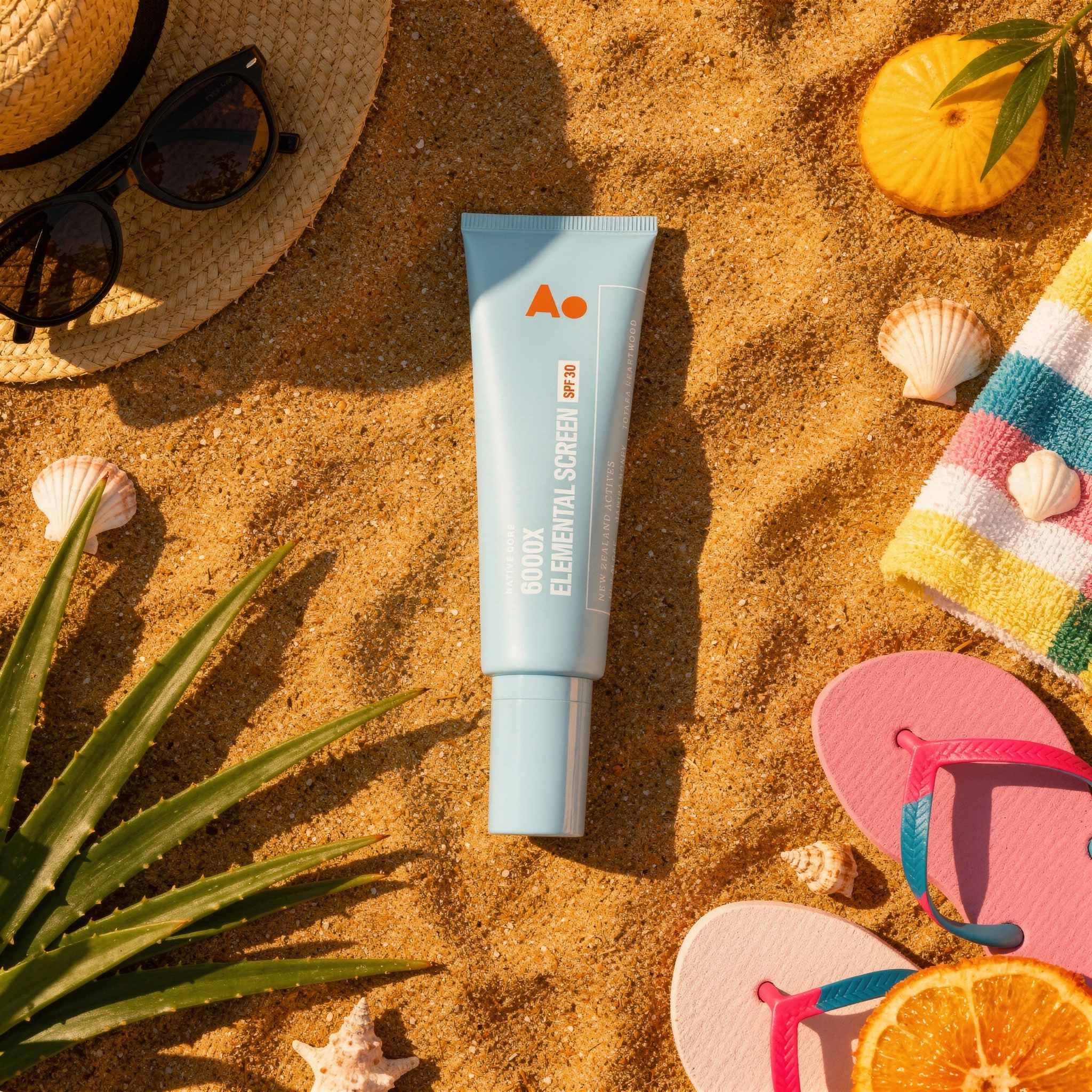
Ao Skincare 6000x Elemental Screen SPF 30
After years of recommending other brands (and wishing they did more), I created this one myself.
It’s mineral zinc-based, EWG Verified®, and engineered for every skin type. Lightweight serum texture that absorbs instantly – no white cast, even on deeper tones. Packed with astaxanthin (6,000x stronger than vitamin C) for active repair, plus deep hydration without grease.
Patients with oily skin love the matte-velvet finish. Dry skin? It locks in moisture all day. Sensitive? Zero irritation, even post-procedure. It layers beautifully under makeup and holds up in real life.
This is the one I use (and recommend) every morning – and the one I’m proudest to put my name on. More here
Quick Final Tips to Make Sunscreen Stick
Apply a quarter-sized amount for your face (more for body)
Reapply every 2 hours outdoors
Check expiration – sunscreen loses potency over time
Layer on extra protection: hats, shade, sunglasses
Here’s the truth: Finding your perfect sunscreen isn’t complicated when you focus on skin type, ingredients, and lifestyle.
Start with those three keys, and you’ll land on something you love using daily.
I’d love for you to try the 6000x Elemental Screen – it’s risk-free for 30 days, and we have a quick skin quiz on aoskincare.com to make sure it’s your perfect match.
What’s your skin type or biggest sunscreen struggle right now? Drop it below – I read every comment and love helping.
Here’s to protected, healthy, glowing skin – for life.
About the Author
Dr. Mark Gray is a Harvard-trained Dermatologist, Surgeon, and Founder of Ao Skincare. With MBChB, FRACP, FRCPC, FRCPA, ABPath, ABDermpath, and FRSpecialist credentials, he is a board-certified Specialist Dermatologist, Specialist Pathologist, Specialist Dermatopathologist, Cosmetic Surgeon, and Mohs Surgeon. Dr. Gray founded New Zealand’s largest skin cancer clinic network, the Skin Institute, and co-created MoleMap, a global leader in advanced skin cancer screening with over 100 clinics across New Zealand, Australia, and the United States. His decades of clinical experience treating and preventing skin cancer, combined with rigorous scientific training, inform every article on this blog. When you read content authored by Dr. Gray, you’re receiving evidence-based insights from one of the world’s foremost experts in dermatology, skin cancer prevention, and clean skincare innovation.