Astaxanthin: Nature's Powerhouse Antioxidant for Skin Health
By Dr. Mark Gray, Harvard-Trained Dermatologist and Ao Co-Founder
Did you know that astaxanthin, the vibrant red pigment giving salmon its signature color, is nature's most potent antioxidant – up to 6,000 times stronger than vitamin C at neutralizing free radicals? Or that this marine-derived wonder, produced by tiny algae under stress, can help your skin bounce back from daily assaults like sun exposure, pollution, and aging? If you're chasing that elusive glow or simply want to shield your skin from the inside out, astaxanthin might just be the game-changer you've been missing.
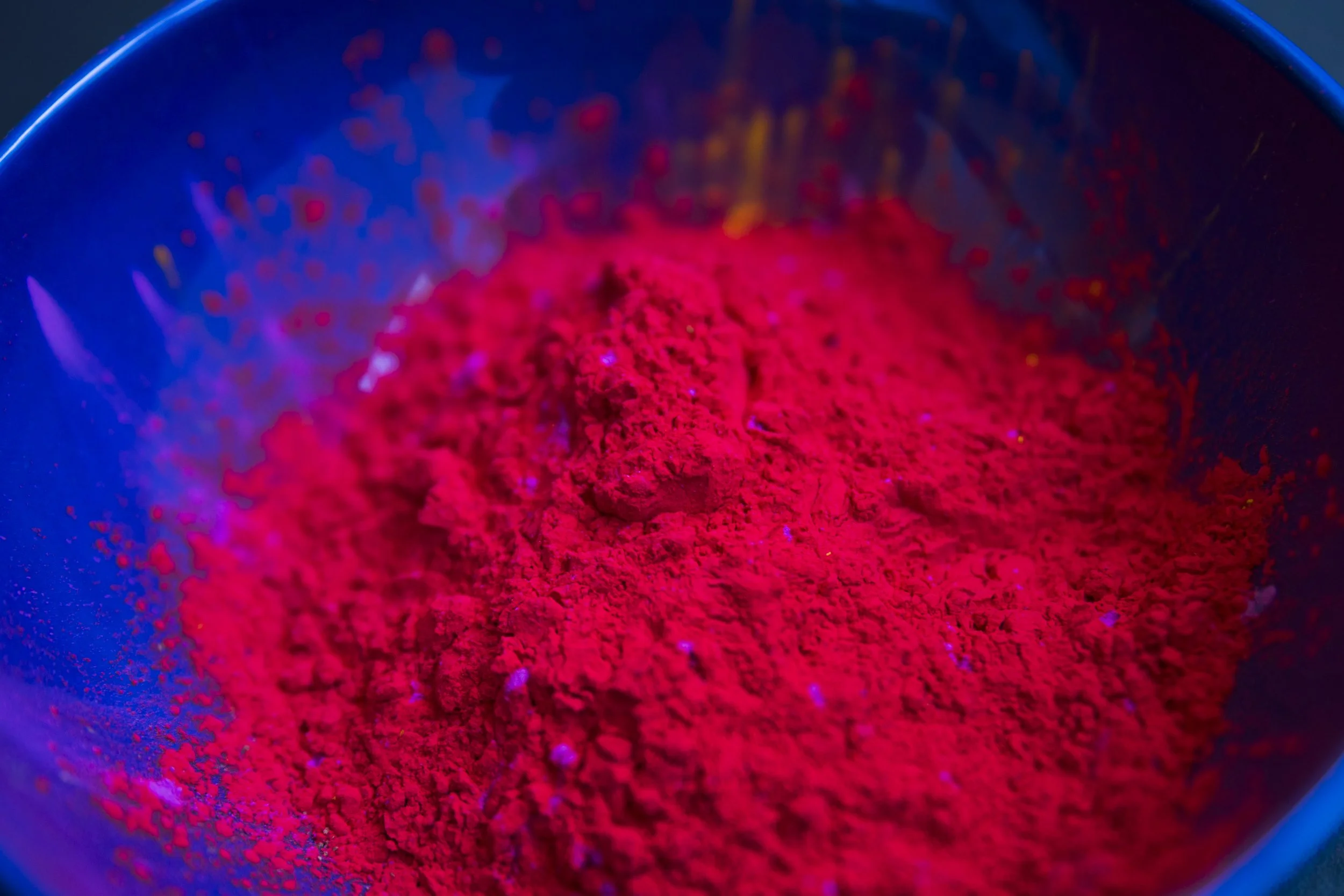
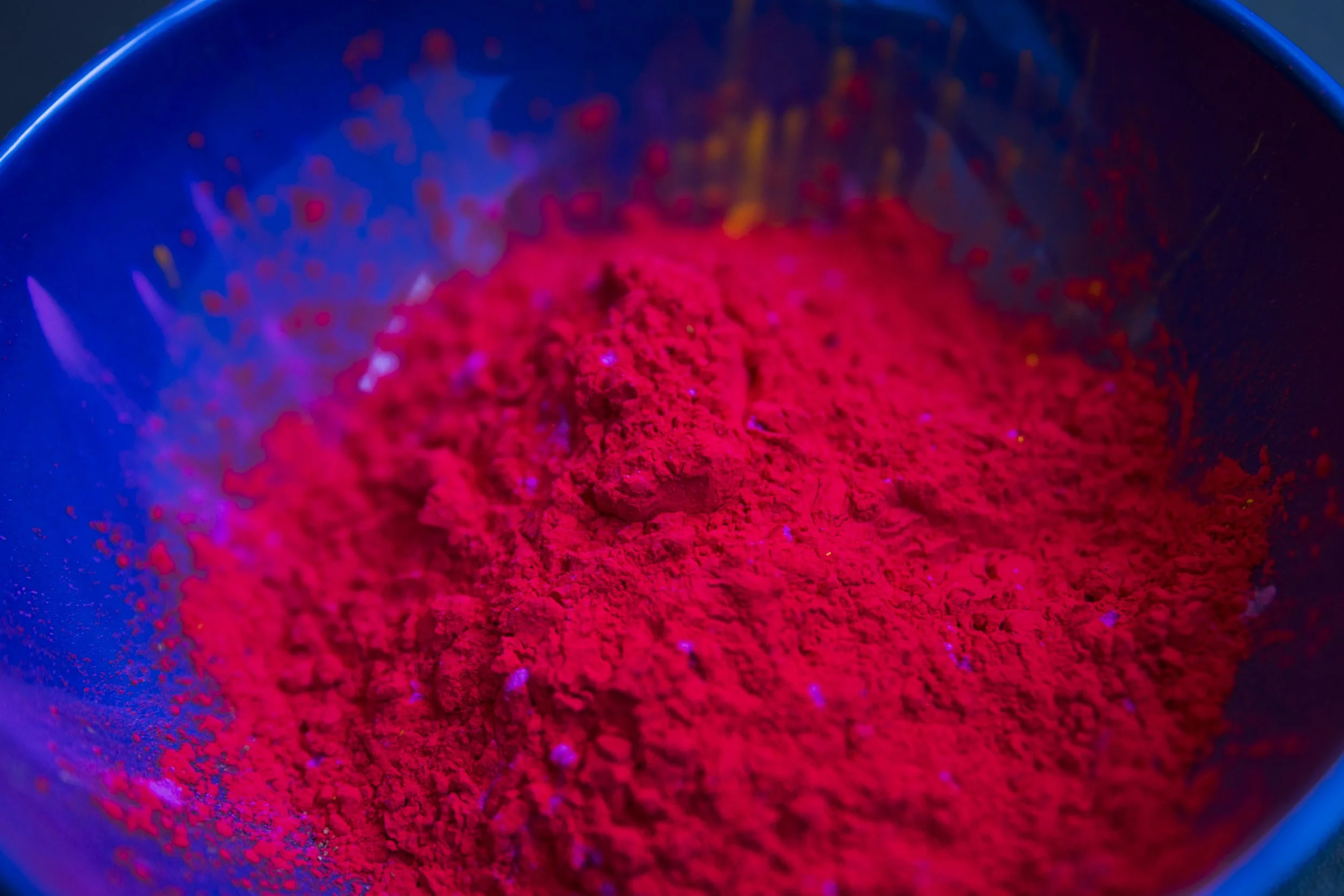
Astaxanthin is bright, deep red in color
Summary
Astaxanthin's Power: From microalgae, this antioxidant is 6,000x stronger than vitamin C, shielding skin from UV, pollution, and free radicals.
Daily Benefits: Boosts hydration, cuts wrinkles, enhances elasticity, and evens tone – studies show improvements in weeks.
Scientific Protection: Neutralizes ROS across cell membranes, blocks collagen breakdown, reduces UV damage, and may fight skin cancer in models.
As a Harvard-trained dermatologist who's spent decades battling skin cancer through clinics like the Skin Institute and MoleMap, I've seen how powerful antioxidants can transform skin health. That's why I've incorporated astaxanthin into Ao Skincare's hero products, like our 6000X Elemental Screen SPF30 and PM Serum. Let's dive into what makes this ingredient so extraordinary, starting with the basics and building to the cutting-edge science.
What Exactly Is Astaxanthin?
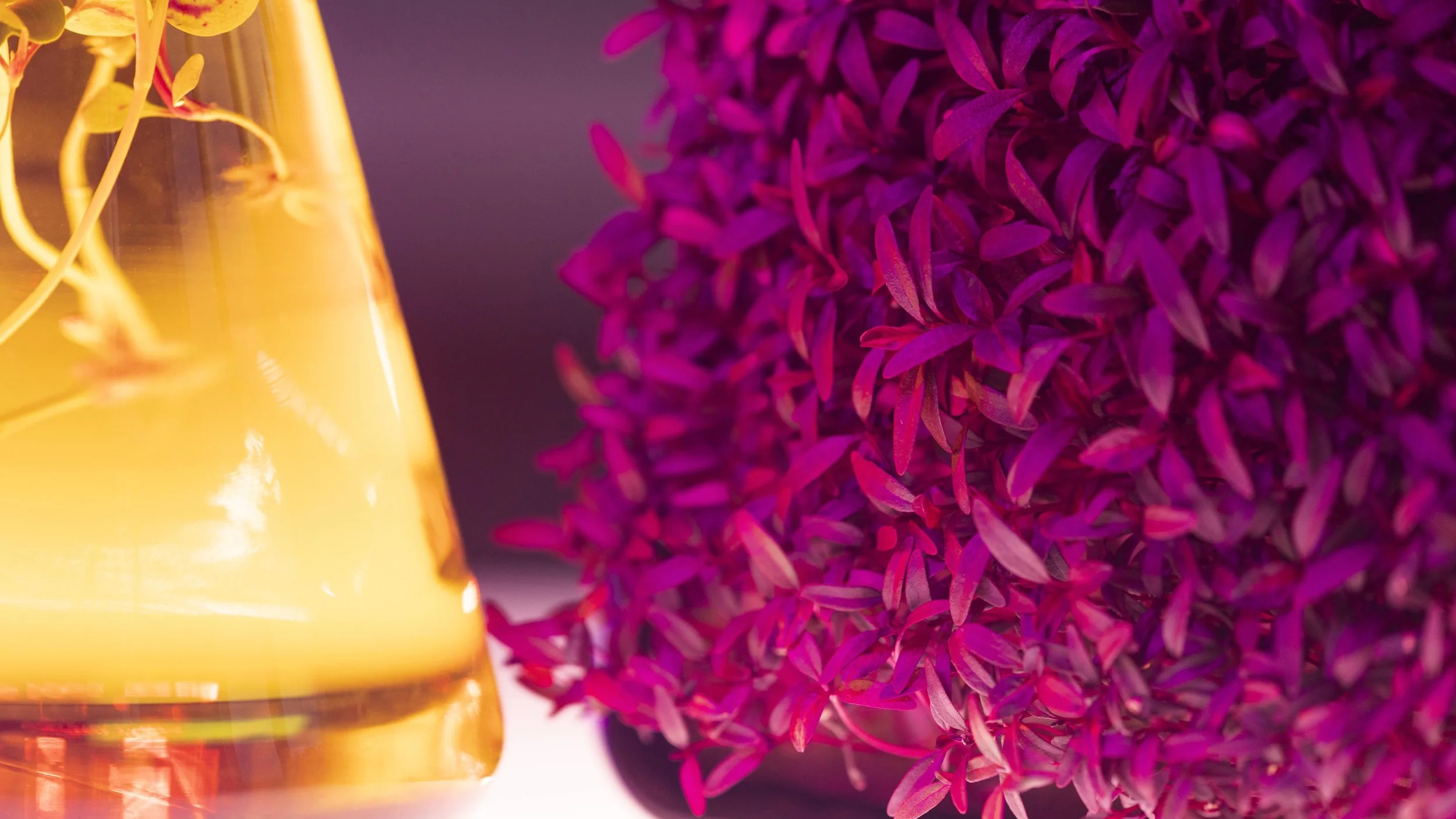
In the depths of freshwater ponds, a humble micro alga called Haematococcus pluvialis faces harsh conditions – intense sunlight, nutrient scarcity, or high salinity. To survive, it produces astaxanthin, a reddish pigment that acts as its natural shield. This carotenoid, part of the xanthophyll family, isn't just a colorant – it's a survival mechanism.
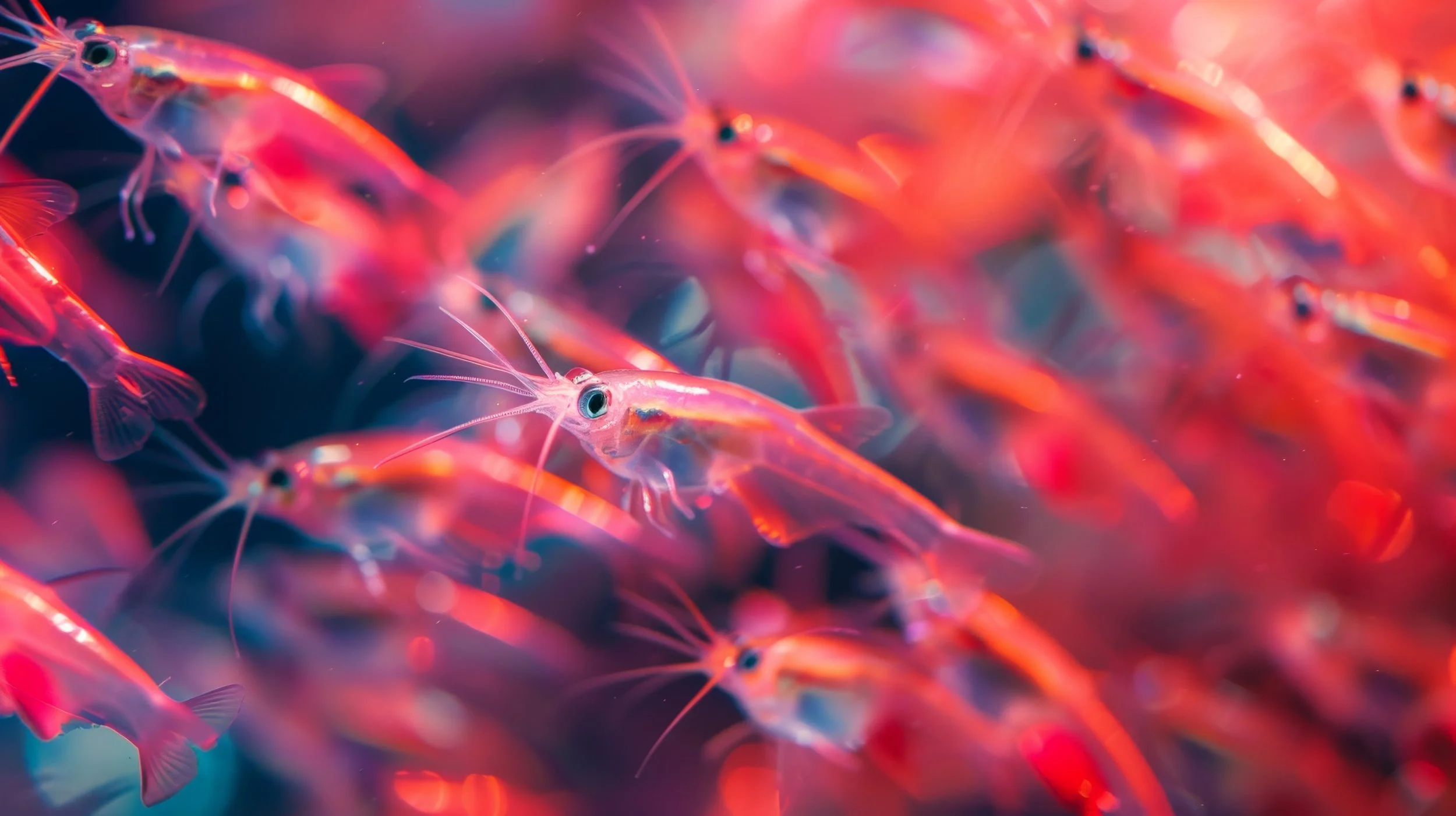
Shrimp get their color by consuming Astaxanthin
When salmon, shrimp, or krill feast on these algae, they absorb the pigment, turning their flesh pink and gaining its protective powers. For humans, astaxanthin offers similar defenses, but we can't produce it ourselves; we must get it from diet or supplements.
Astaxanthin's unique molecular structure sets it apart: It's amphiphilic, meaning it spans the entire cell membrane, quenching free radicals both inside and outside cells. This "king of carotenoids" boasts an antioxidant punch 550 times stronger than vitamin E and 800 times that of CoQ10, making it a skincare superstar. But how does it translate to real beauty benefits? Let's explore.
The Glow-Up: Astaxanthin's Everyday Skin Perks
Imagine using a serum that not only fights off environmental aggressors but also leaves your skin looking plump and radiant. That's astaxanthin in action. Early adopters rave about its ability to even out tone, reduce redness, and impart a subtle glow – think of it as an internal highlighter. Did you know that just 4-12 mg daily can boost skin moisture by up to 20% in as little as four weeks? Or that it can diminish age spots and smooth texture, giving you that "lit-from-within" vibe without the filter?
In my practice, I've seen patients transform their routines with this ingredient. It's particularly stellar for those battling dryness or uneven pigmentation – common complaints in sun-drenched locales. But to understand why it works so well, we need to peel back the layers and get into the science.
Diving Deeper: How Astaxanthin Battles Oxidative Stress
As we age, our skin faces a barrage of free radicals – unstable molecules generated by UV rays, pollution, and even stress – that damage cells, break down collagen, and accelerate wrinkles. Astaxanthin's superpower? It neutralizes these radicals more efficiently than almost any other antioxidant. Unlike vitamin C, which is water-soluble and works primarily in the cell's outer layers, astaxanthin's fat-soluble nature lets it penetrate deeper, protecting mitochondria (the cell's powerhouses) from oxidative havoc.
Clinical trials back this up: In a 16-week study of 65 women, 6-12 mg of astaxanthin daily reduced wrinkles, boosted elasticity, and improved moisture retention. Another trial with 23 participants showed better skin texture after 10 weeks. Mechanistically, it inhibits matrix metalloproteinases (MMPs), enzymes that degrade collagen, and suppresses inflammatory cytokines like IL-1α and TNF-α. This anti-inflammatory action also helps with hyperpigmentation by blocking melanin synthesis.
Astaxanthin's Role in UV Protection and Cancer Prevention
Now, let's get technical. UV radiation – particularly UVB – generates reactive oxygen species (ROS) that damage DNA, leading to mutations and potentially skin cancer. Astaxanthin excels here by quenching singlet oxygen and scavenging ROS, preventing lipid peroxidation in cell membranes. In hairless mice, oral astaxanthin reduced wrinkle formation, epidermal thickening, and ROS activity after UVB exposure. Human trials echo this: 4 mg daily raised minimal erythema dose (MED), reducing sunburn severity.
On the cancer front, astaxanthin inhibits tumor growth in models of melanoma, colon, and prostate cancer by inducing apoptosis and blocking angiogenesis. It downregulates MMPs, VEGF, and inflammatory pathways like NF-κB, potentially curbing metastasis. While human trials are limited, early data suggest it complements sunscreen for reducing DNA damage and inflammation.
Why Astaxanthin Stars in Ao Skincare's SPF and PM Serum
In developing Ao Skincare, I prioritized ingredients with proven cellular impact. Astaxanthin is the star in our 6000X Elemental Screen SPF30, where it enhances mineral zinc's UV block by neutralizing post-exposure ROS, reducing inflammation, and supporting repair – ideal for daily defense.
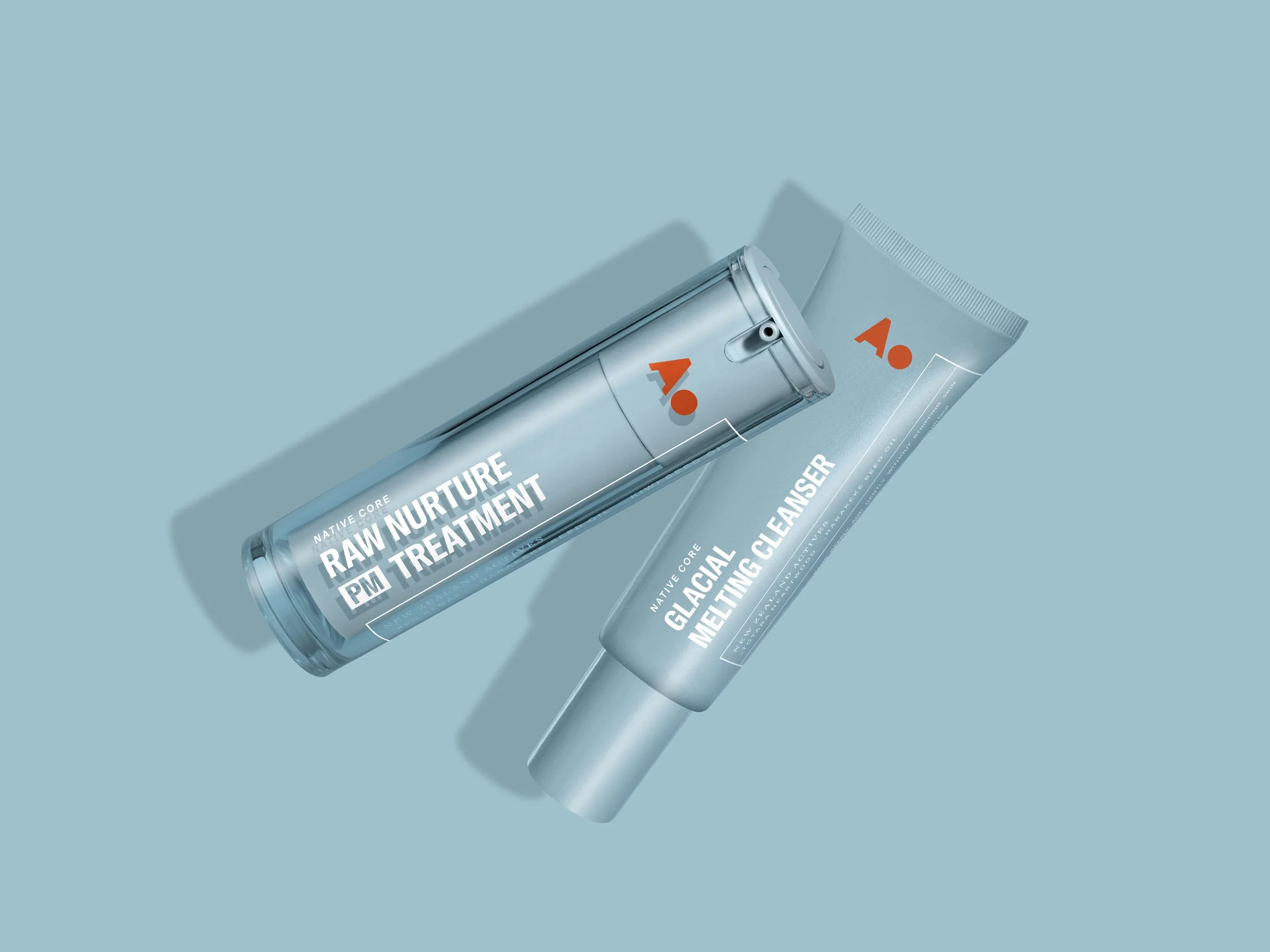
Ao’s PM Treatment Moisturizer and Melting Cleanser both feature Astaxanthin
In the PM Serum, it works overnight to restore firmness, hydrate, and fortify barriers, amplifying recovery while you sleep. Combined with niacinamide and Mānuka honey, it creates a synergistic shield against aging.
Backed by Dermatest studies, our formulas show 100% improvement in elasticity and roughness, with 92% of users reporting softer skin after four weeks. It's not hype – it's science meeting skincare.
About the Author
Dr. Mark Gray is a Harvard-trained Dermatologist, Surgeon, and Founder of Ao Skincare. With MBChB, FRACP, FRCPC, FRCPA, ABPath, ABDermpath, and FRSpecialist credentials, he is a board-certified Specialist Dermatologist, Specialist Pathologist, Specialist Dermatopathologist, Cosmetic Surgeon, and Mohs Surgeon. Dr. Gray founded New Zealand’s largest skin cancer clinic network, the Skin Institute, and co-created MoleMap, a global leader in advanced skin cancer screening with over 100 clinics across New Zealand, Australia, and the United States. His decades of clinical experience treating and preventing skin cancer, combined with rigorous scientific training, inform every article on this blog. When you read content authored by Dr. Gray, you’re receiving evidence-based insights from one of the world’s foremost experts in dermatology, skin cancer prevention, and clean skincare innovation.