

Dermatology Insights on
Sun Protection and Repair
Dr. Gray’s
Dr. Mark Gray
Dermatologist & Founder
MBChB, FRACP, FRCPC, FRCPA, ABPath, ABDermpath, FRSpecialist Dermatologist , Specialist Pathologist , Specialist Dermatopathologist , Cosmetic Surgeon, Mohs Surgeon.
Suncare Explained
Dermatologist’s
Insights – Sun Protection and Repair

Sunscreen Essentials




Top Stories
The Science of Suncare
All Stories
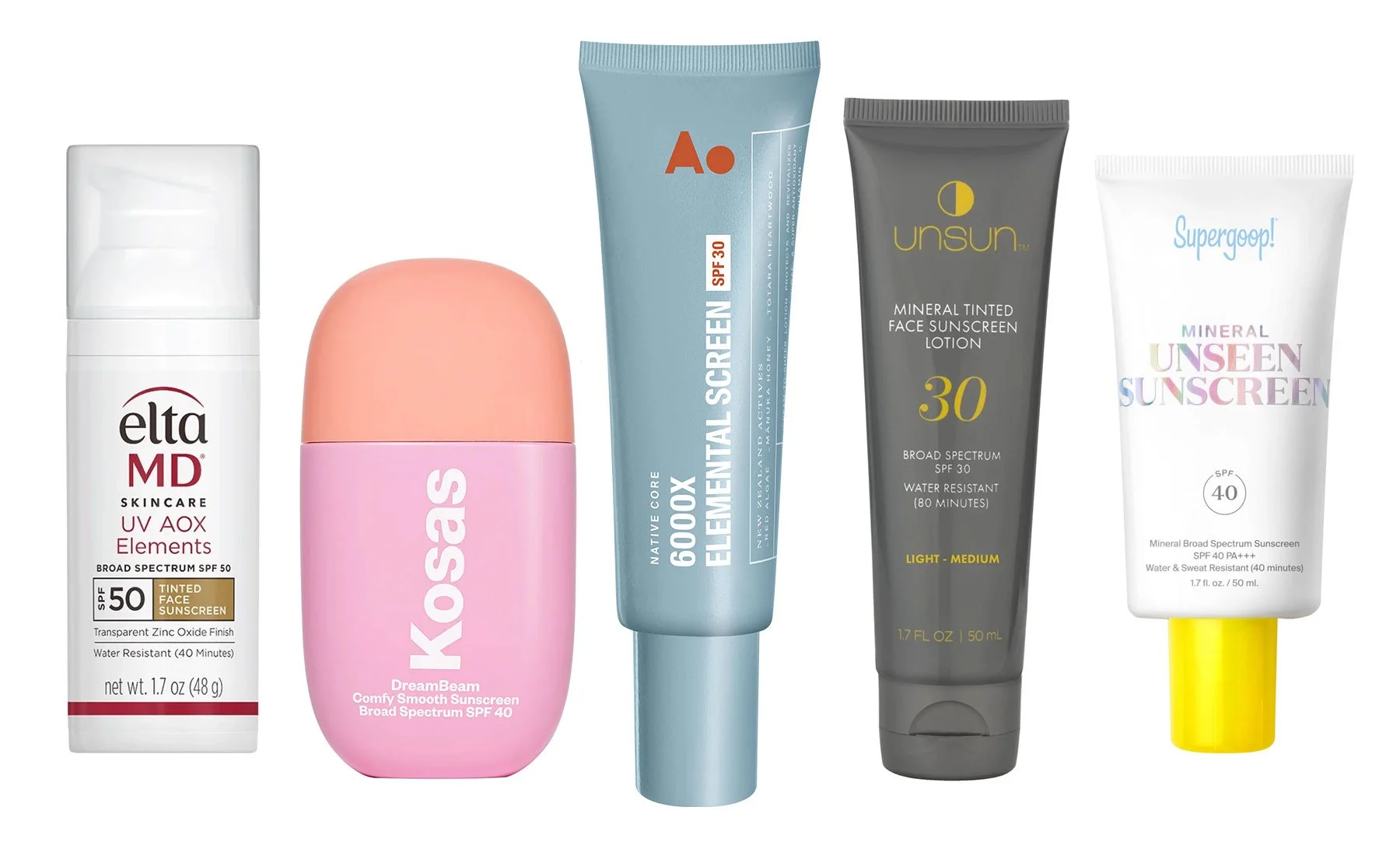
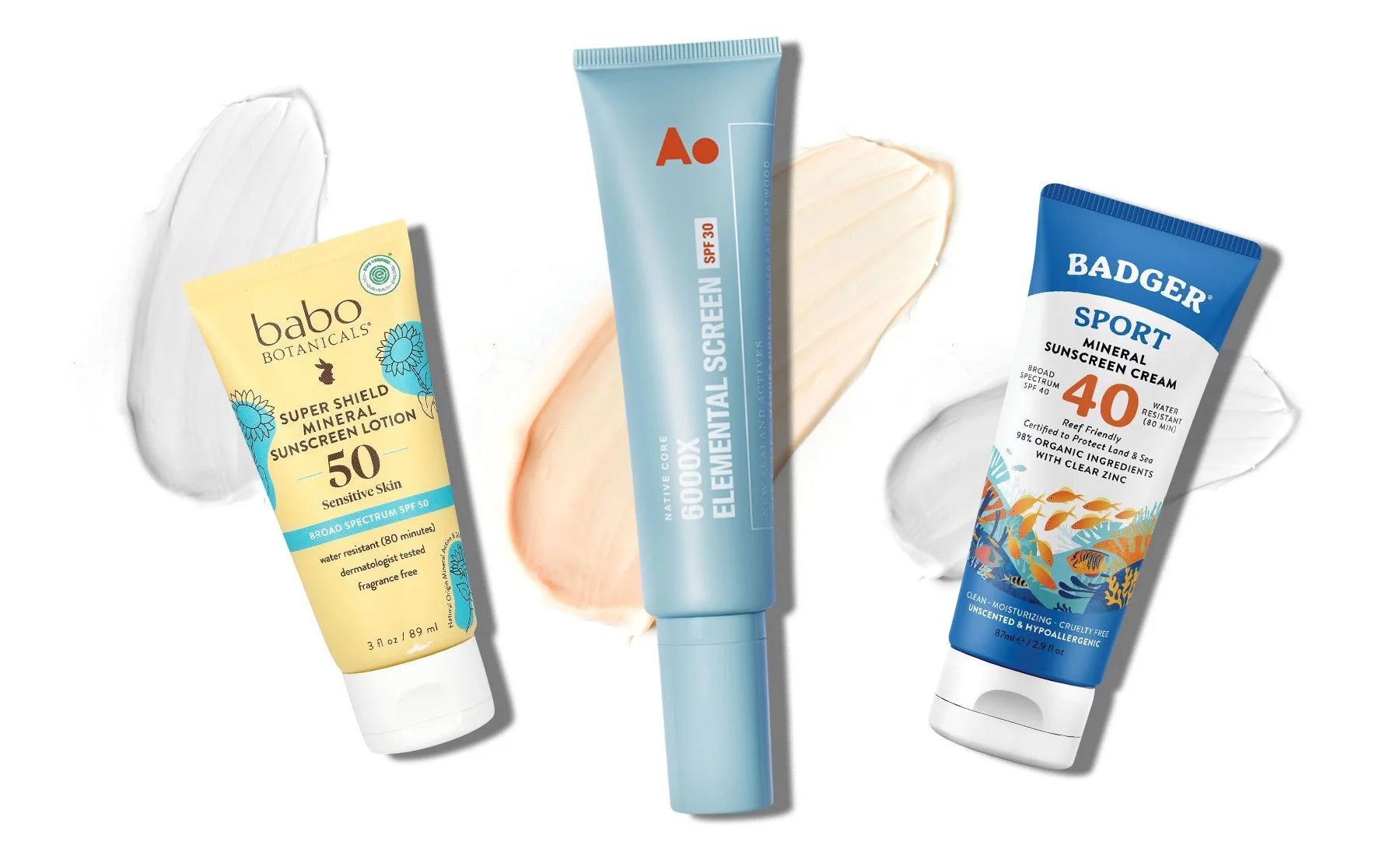
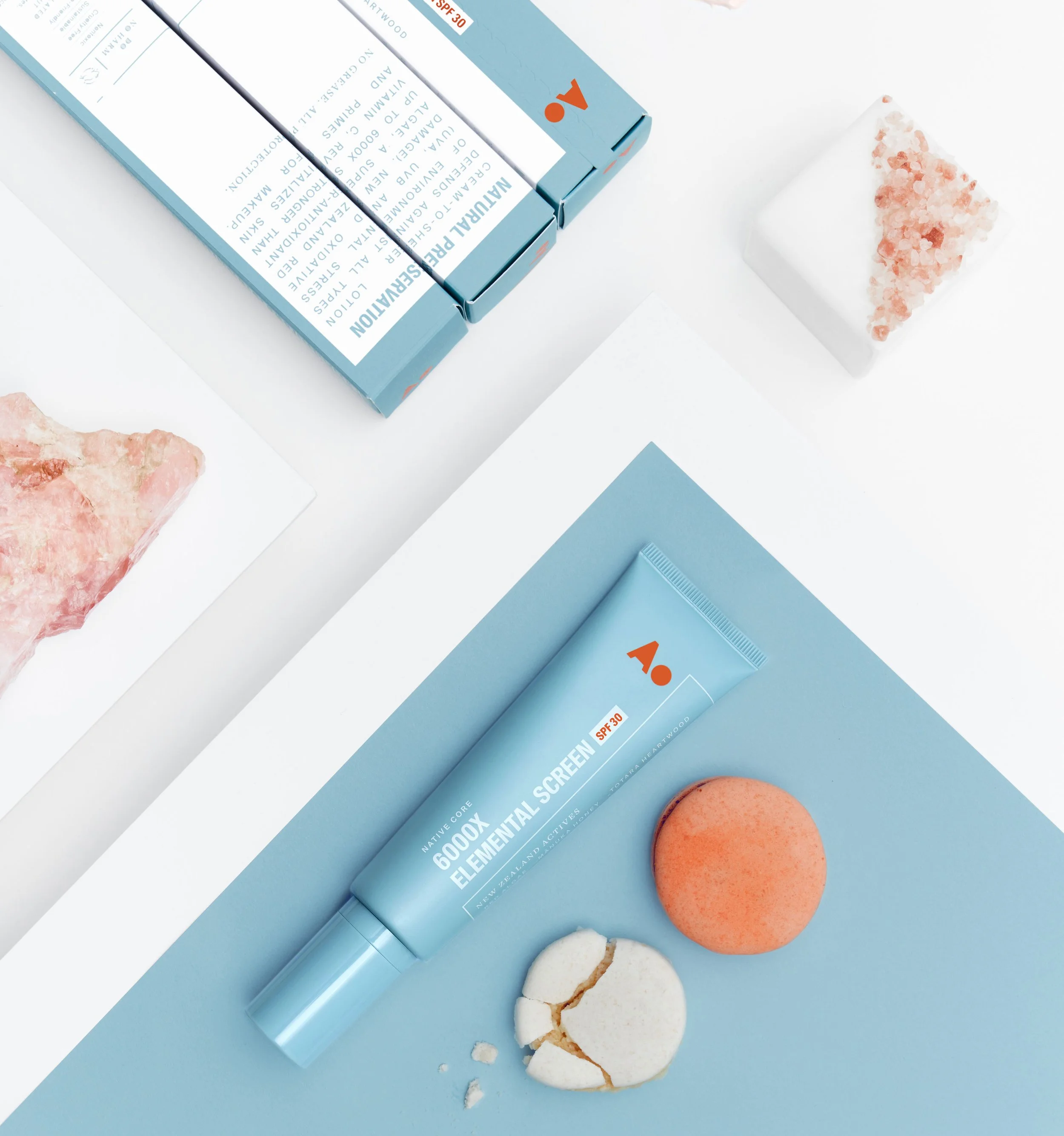
7 Best Zinc Oxide Sunscreens for Ultimate Protection
Zinc oxide has long been my go-to recommendation for effective, gentle sun protection in my dermatology practice. As a physical blocker, it creates a barrier on the skin's surface to deflect UVA and UVB rays, offering broad-spectrum defense without the absorption concerns of chemical filters. This makes it ideal for all skin types…
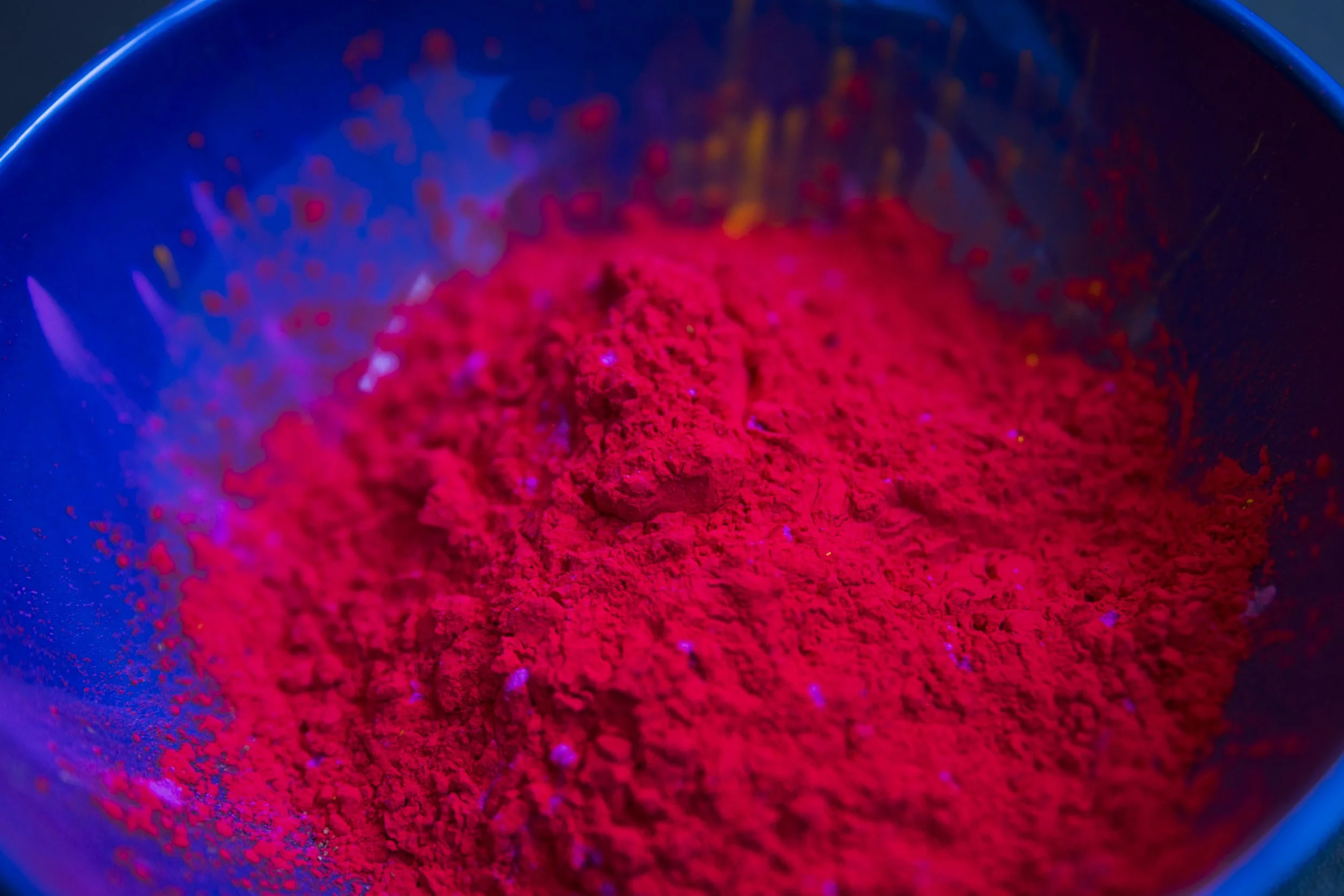
Astaxanthin: Nature's Powerhouse Antioxidant for Skin Health
Did you know that astaxanthin, the vibrant red pigment giving salmon its signature color, is nature's most potent antioxidant—up to 6,000 times stronger than vitamin C at neutralizing free radicals? Or that this marine-derived wonder, produced by tiny algae under stress, can help your skin bounce back from daily assaults like sun exposure, pollution, and aging?…
Dr. Mark Gray's Vision for Suncare Innovation
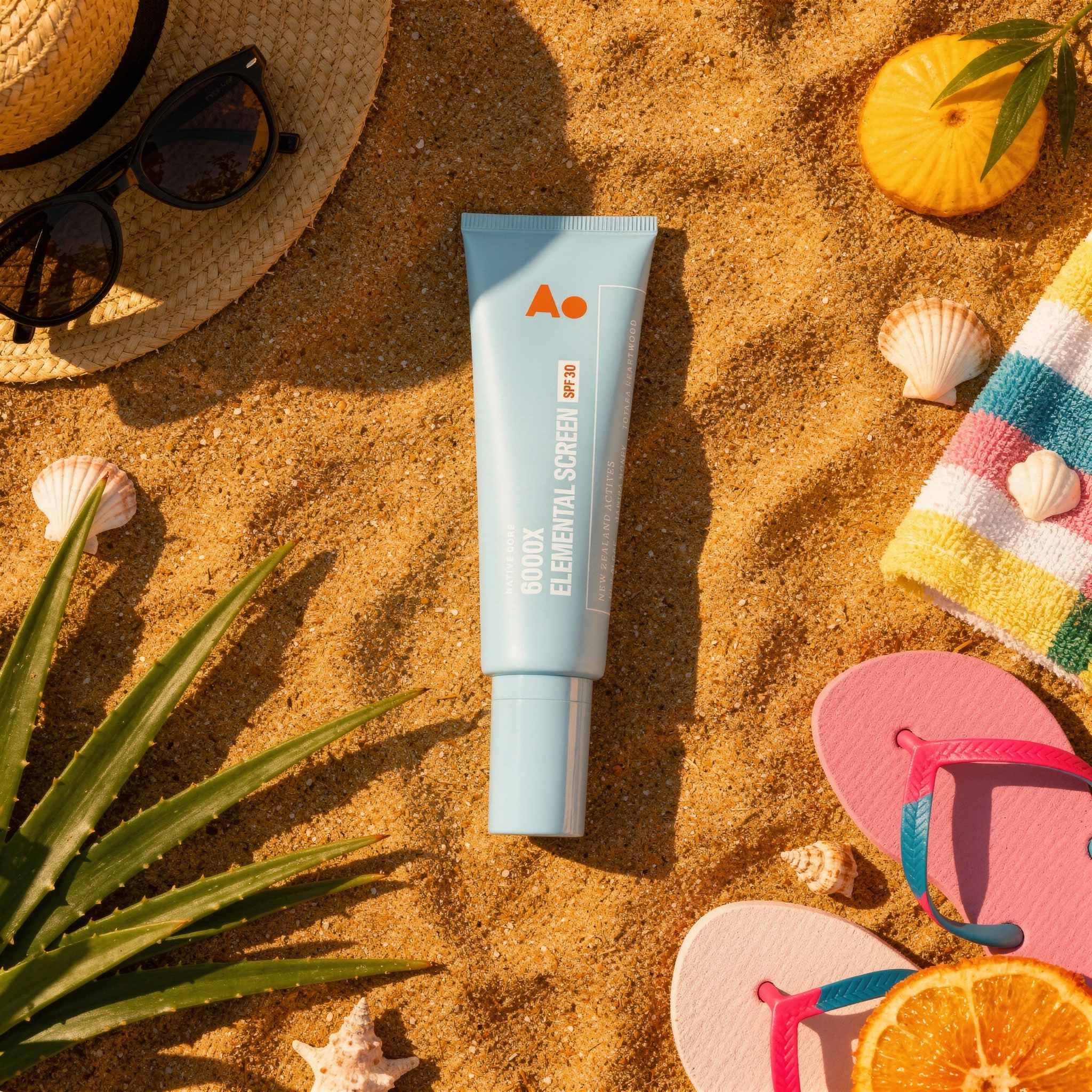
In a world where skin cancer affects millions, one visionary dermatologist has turned decades of expertise into a breakthrough: a clean, non-toxic mineral sunscreen that protects, repairs, and revitalizes. Meet the science-backed shield born from relentless innovation…
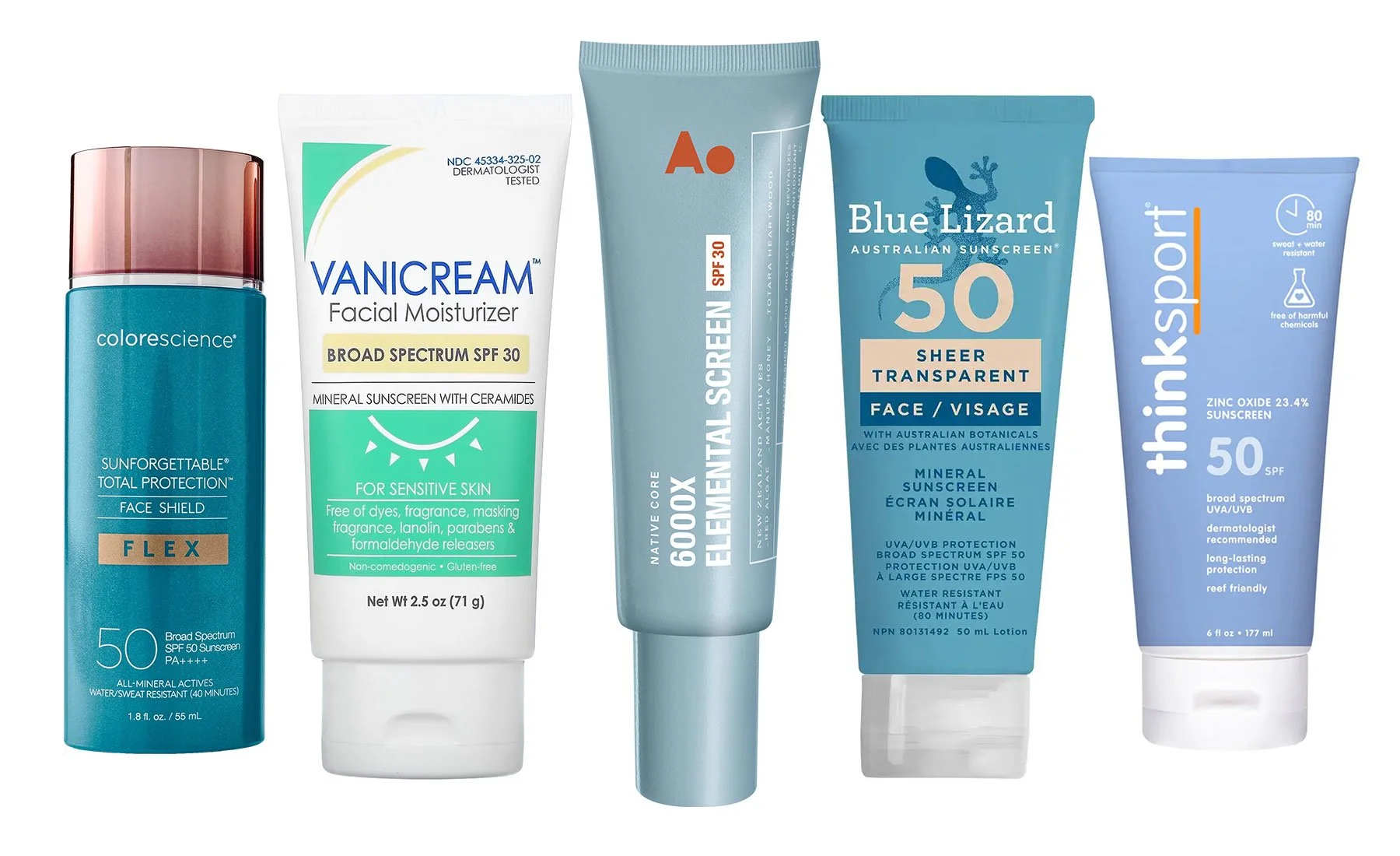
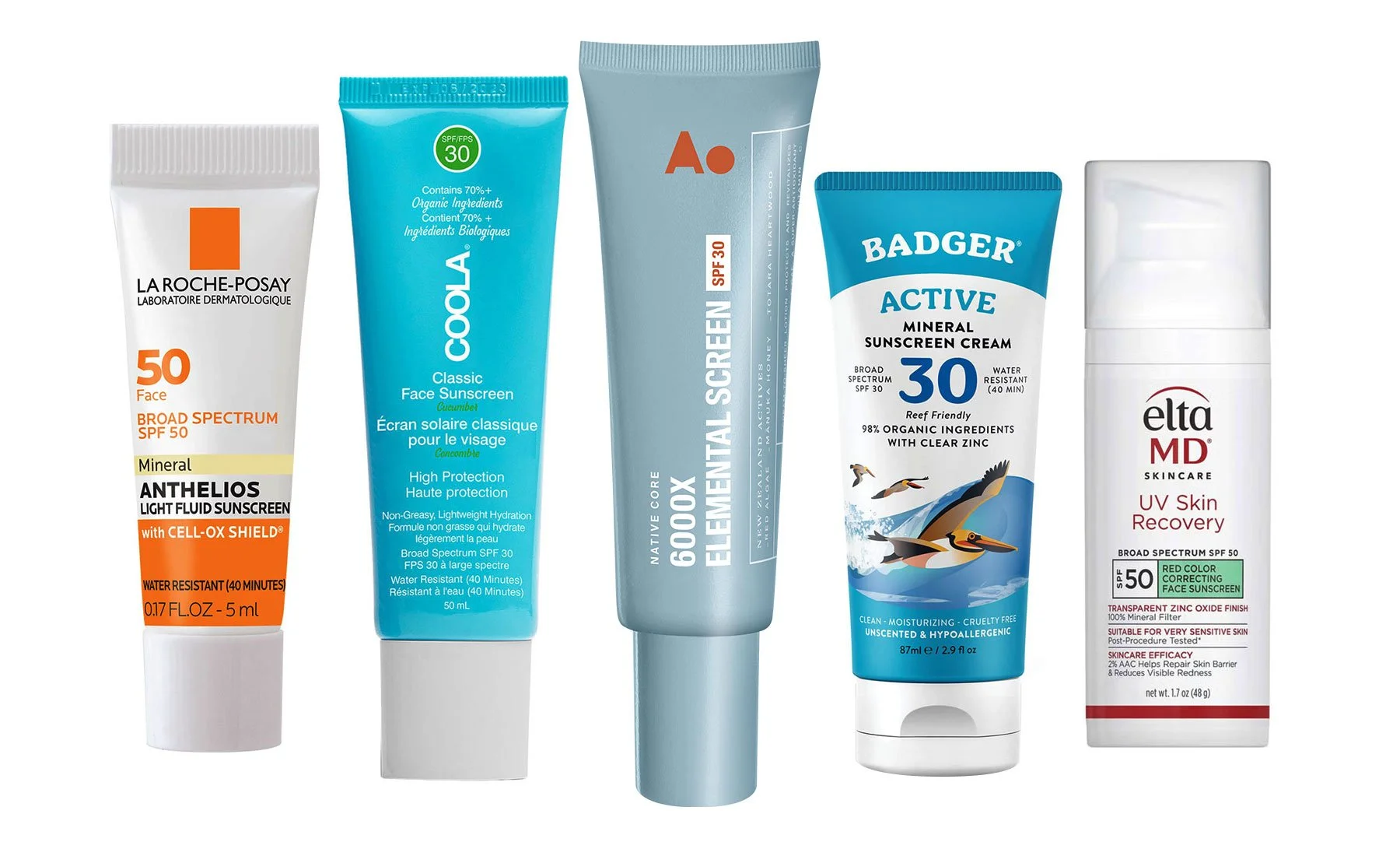
8 Best Sunscreens for Sensitive Skin – Dermatologist Tested
In this roundup, I've selected standout sunscreens for sensitive skin, prioritizing fragrance-free, non-comedogenic picks with calming ingredients like zinc oxide, ceramides, and antioxidants. These range from drugstore deals to high-end dermatologist-grade…
The Hidden Dangers of Sun Exposure: A Dermatologist's Wake-Up Call
In my 25 years as a dermatologist, I've witnessed the subtle yet devastating impact of sun exposure on skin health. What many dismiss as a harmless tan or freckle is often the early sign of cumulative UV damage. Ultraviolet radiation, particularly UVA and UVB rays, penetrates the skin, triggering a cascade of cellular changes that accelerate aging and increase cancer risk…
Surviving Skin Cancer: Lessons from Real-World Evidence
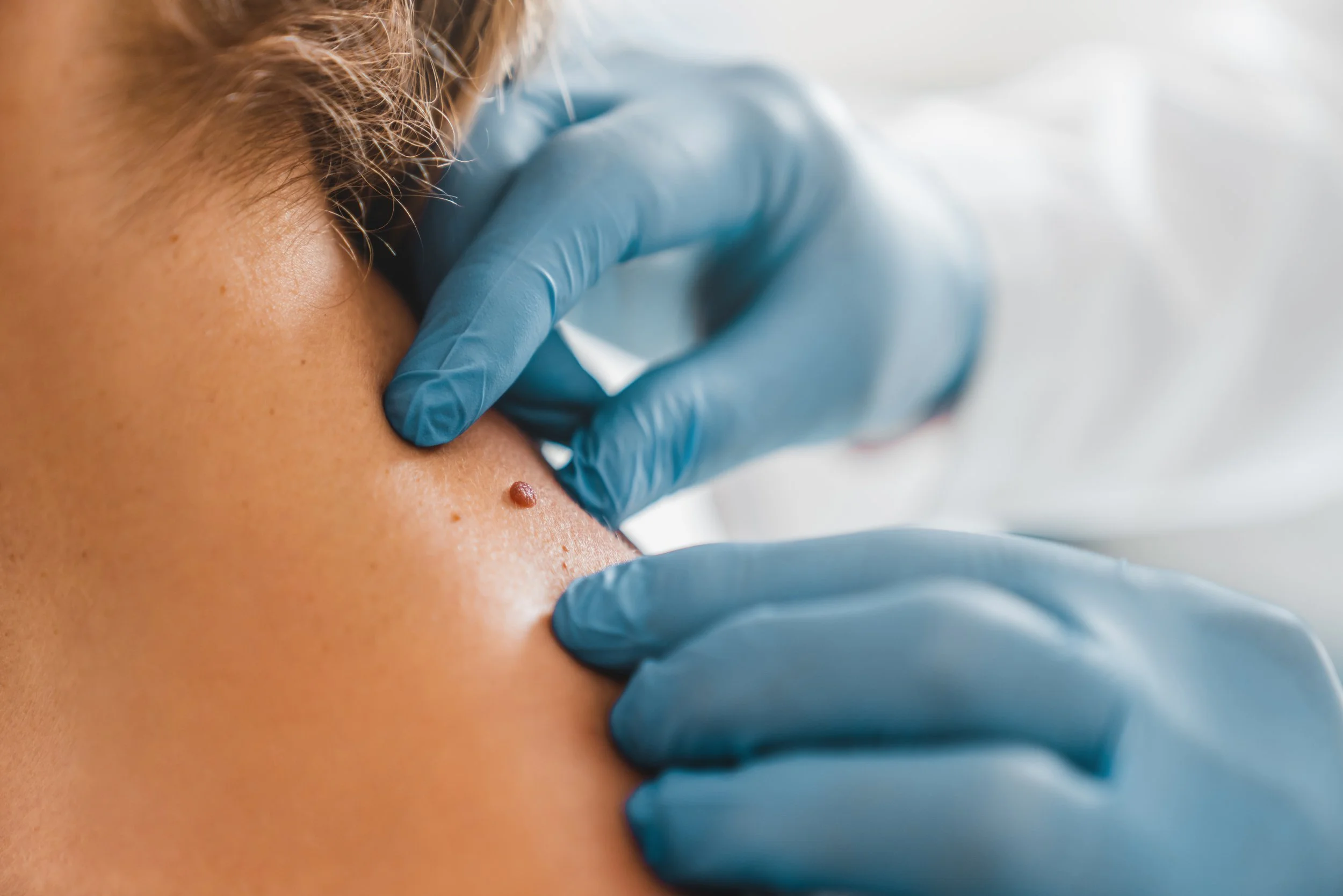
Skin cancer isn't just a statisti – it's a reality shaped by cumulative sun exposure, as evidenced by global epidemiology. The World Health Organization reports over 1.5 million new cases annually, with melanoma rates climbing 3% yearly in sunny regions…
The Indoor Sun Trap: Why Your Office Window Is a Skin Saboteur
Indoor UV is a sneaky foe—standard glass blocks UVB but lets 50-75% UVA through (Journal of Investigative Dermatology). A study of 84 office workers found those near windows had 170% more skin damage on exposed sides…

The Silent Epidemic: How Everyday Sun Exposure Accelerates Aging
Sun exposure is often romanticized as a source of vitality, but the science tells a different story. In my dermatology practice, I've observed that even brief daily UV exposure – such as a 20-minute walk to work…
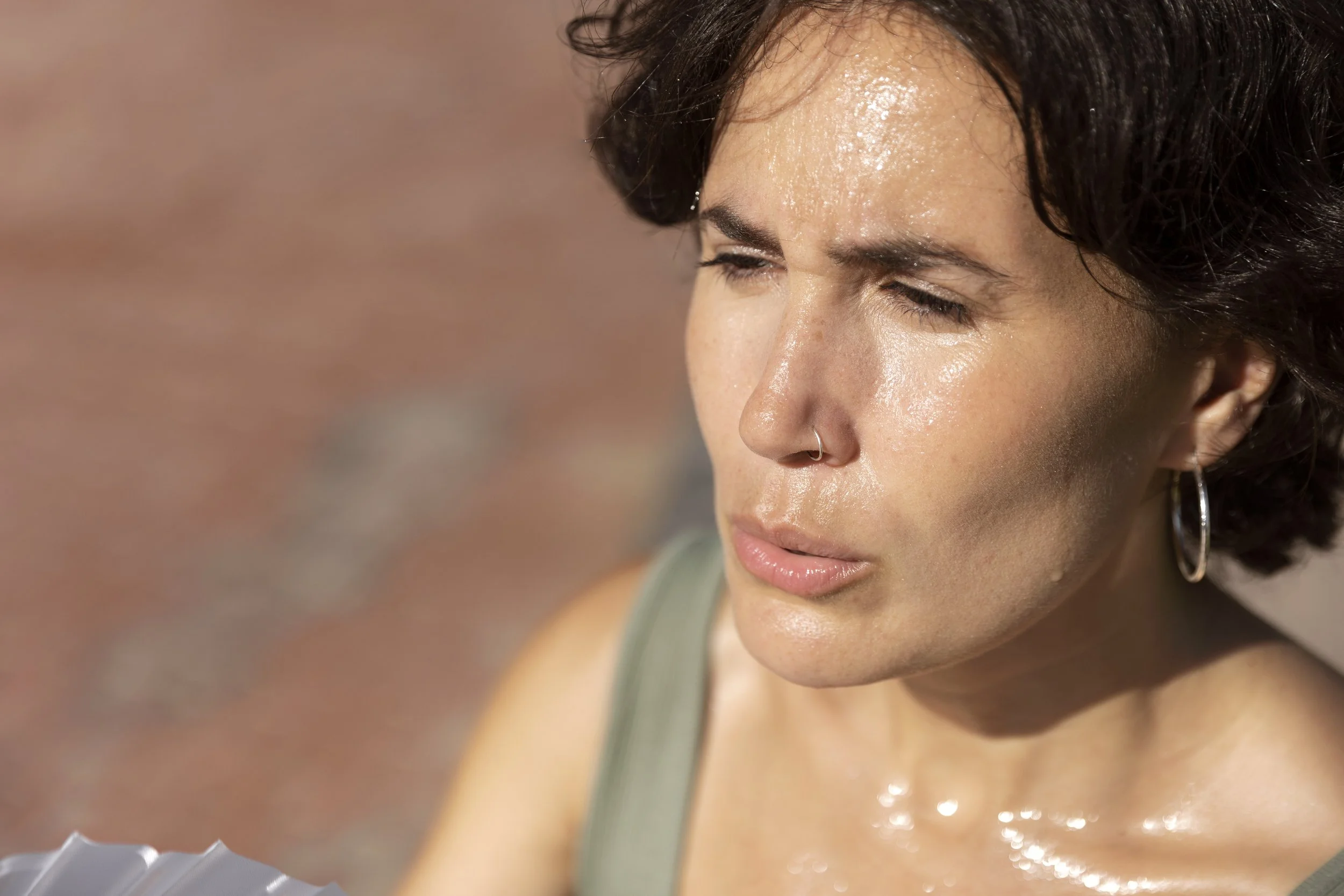
Shocking Stats: Why Sunscreen Isn't Optional in a Warming World
Climate change is amplifying UV threats, turning sunscreen from luxury to necessity. The IPCC reports UV levels rising 2-6% per decade due to ozone thinning, with hotter temperatures increasing skin cancer risks by 4-6% per degree Celsius. In regions like California…

Myth Busting: The Truth About “Safe” Tanning and Its Hidden Costs
The "healthy tan" myth persists, but evidence debunks it. Tanning is skin's distress response to UV injury, producing melanin as a shield – but it's inefficient, blocking only 50-70% of rays (British Journal of Dermatology). A large-scale study of 30,000 Swedes found tanners had 50% higher melanoma risk…