Dermatology Insights on
Sun Protection and Repair
Dr. Gray’s
Dr. Mark Gray
Dermatologist & Founder
MBChB, FRACP, FRCPC, FRCPA, ABPath, ABDermpath, FRSpecialist Dermatologist , Specialist Pathologist , Specialist Dermatopathologist , Cosmetic Surgeon, Mohs Surgeon.
Suncare Explained
Dermatologist’s
Insights – Sun Protection and Repair
If you've been searching for a way to smooth fine lines, boost collagen, and even out skin tone without the irritation of traditional retinol, bakuchiol might just be your new skincare hero…
Sunscreen Essentials
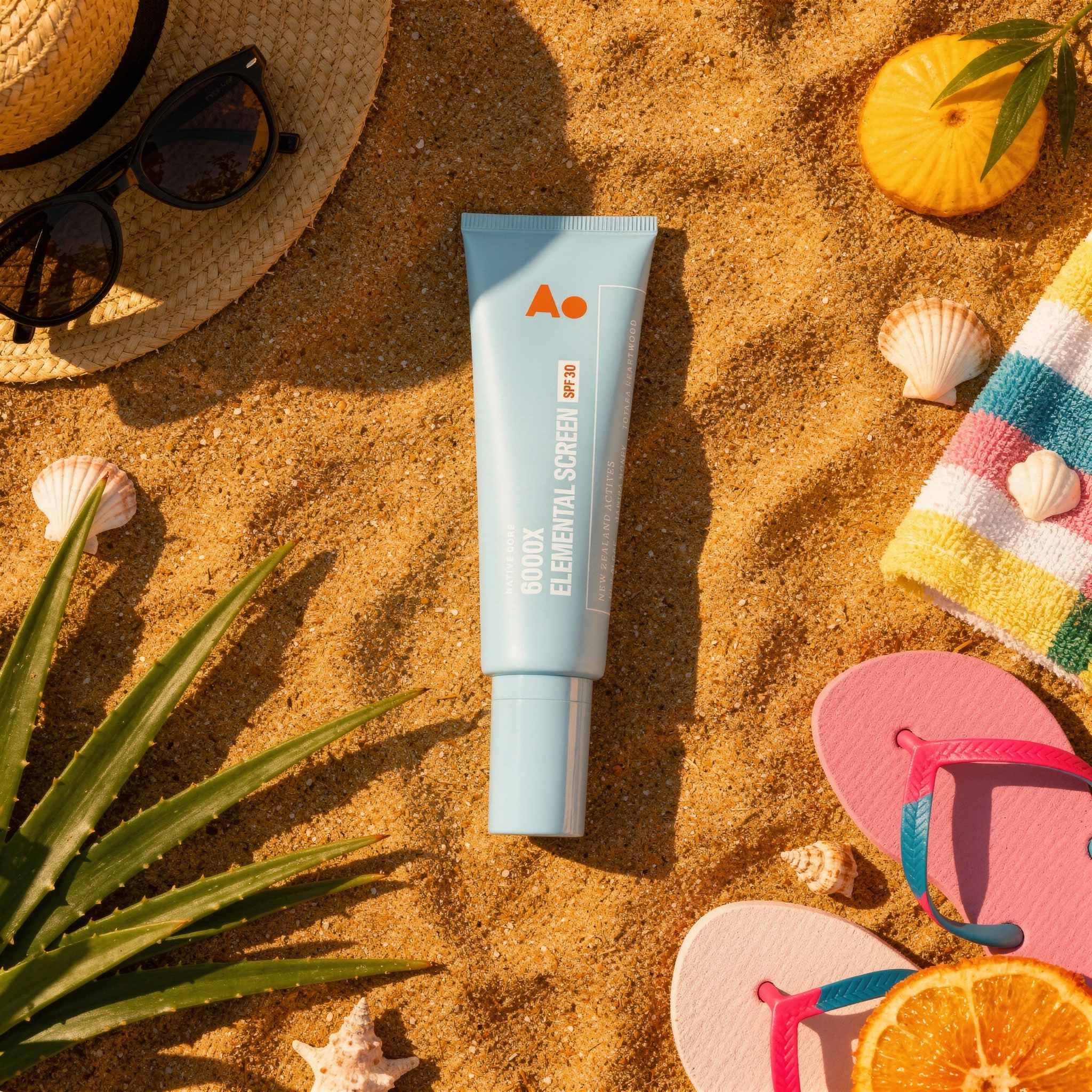
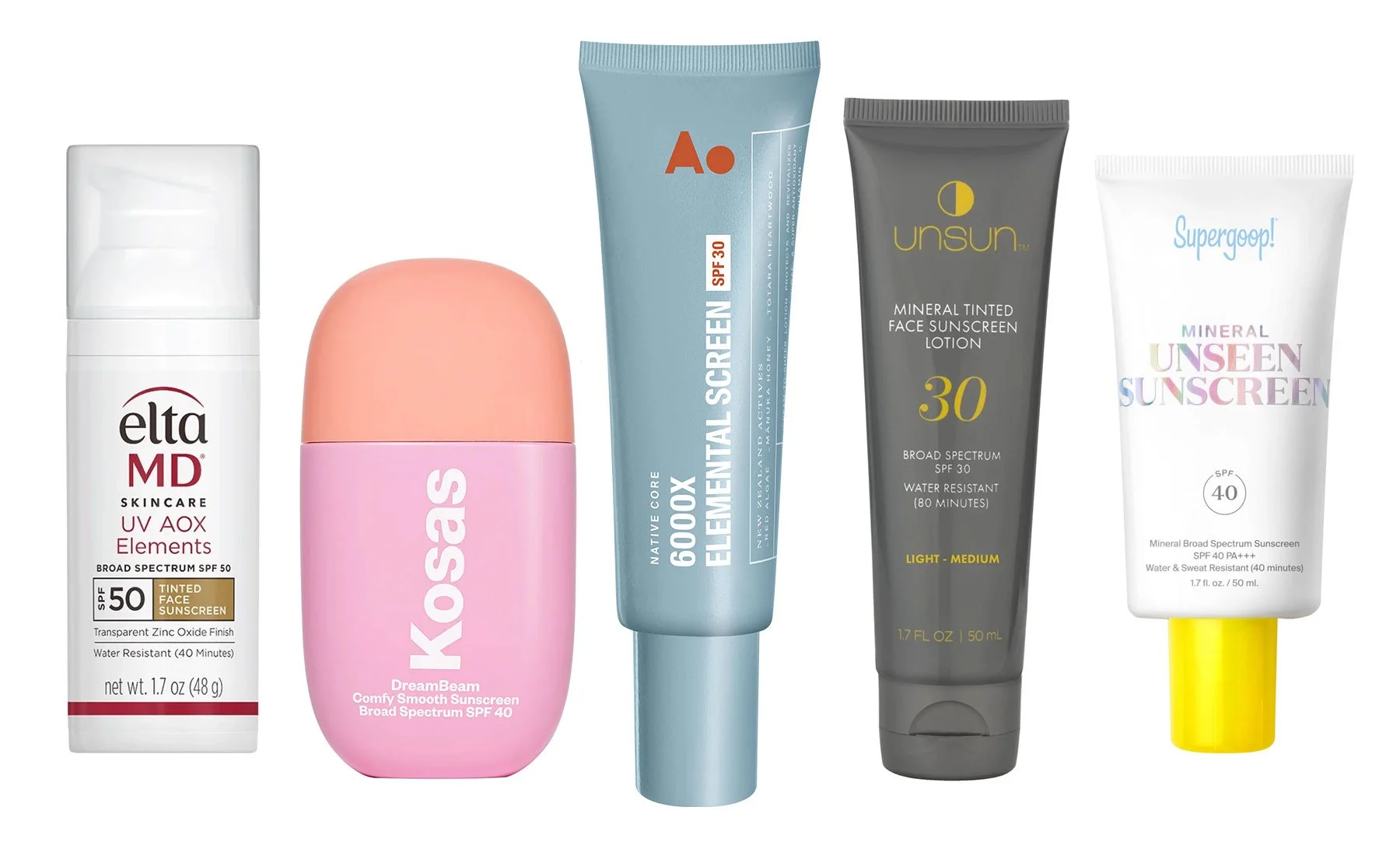
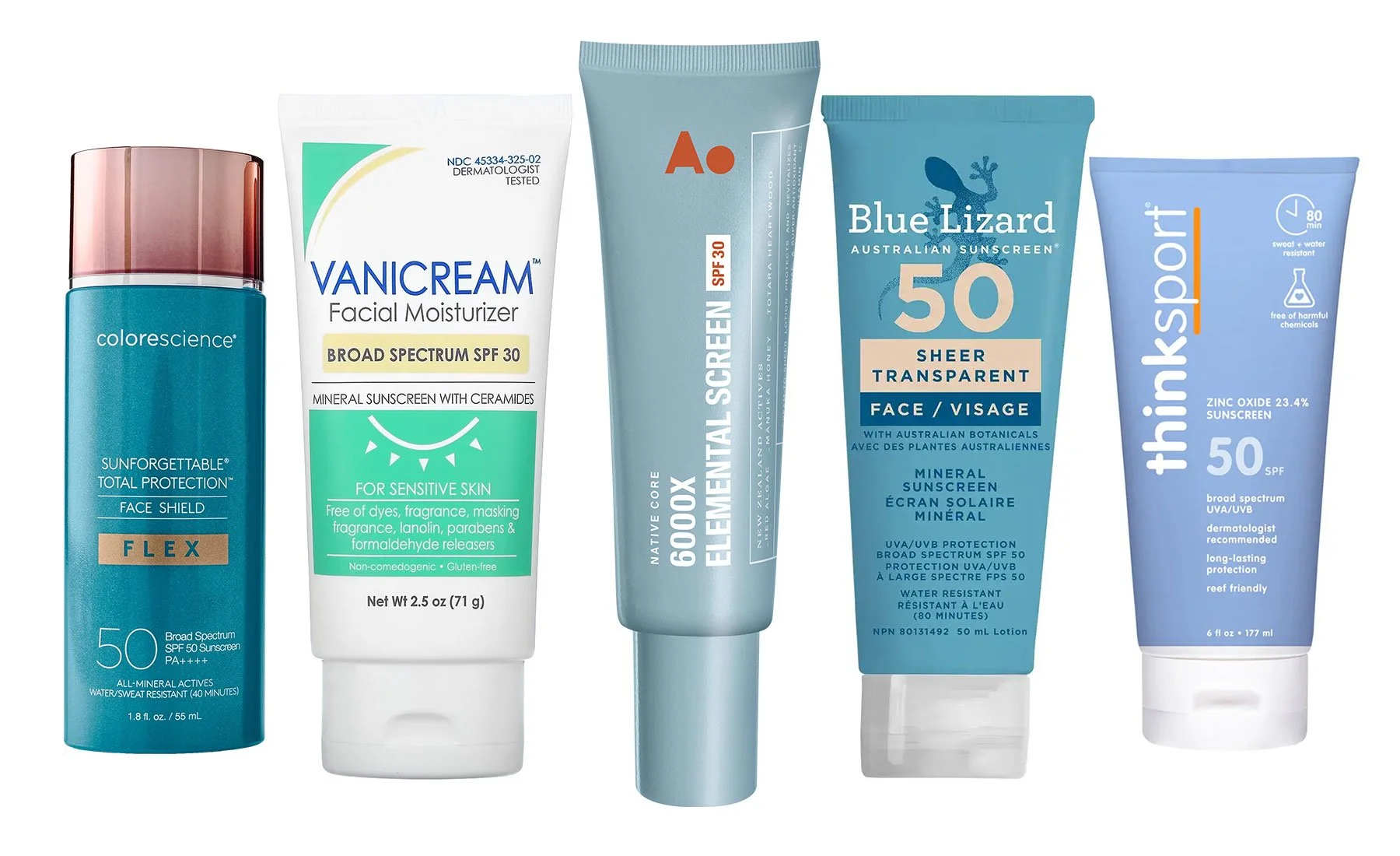
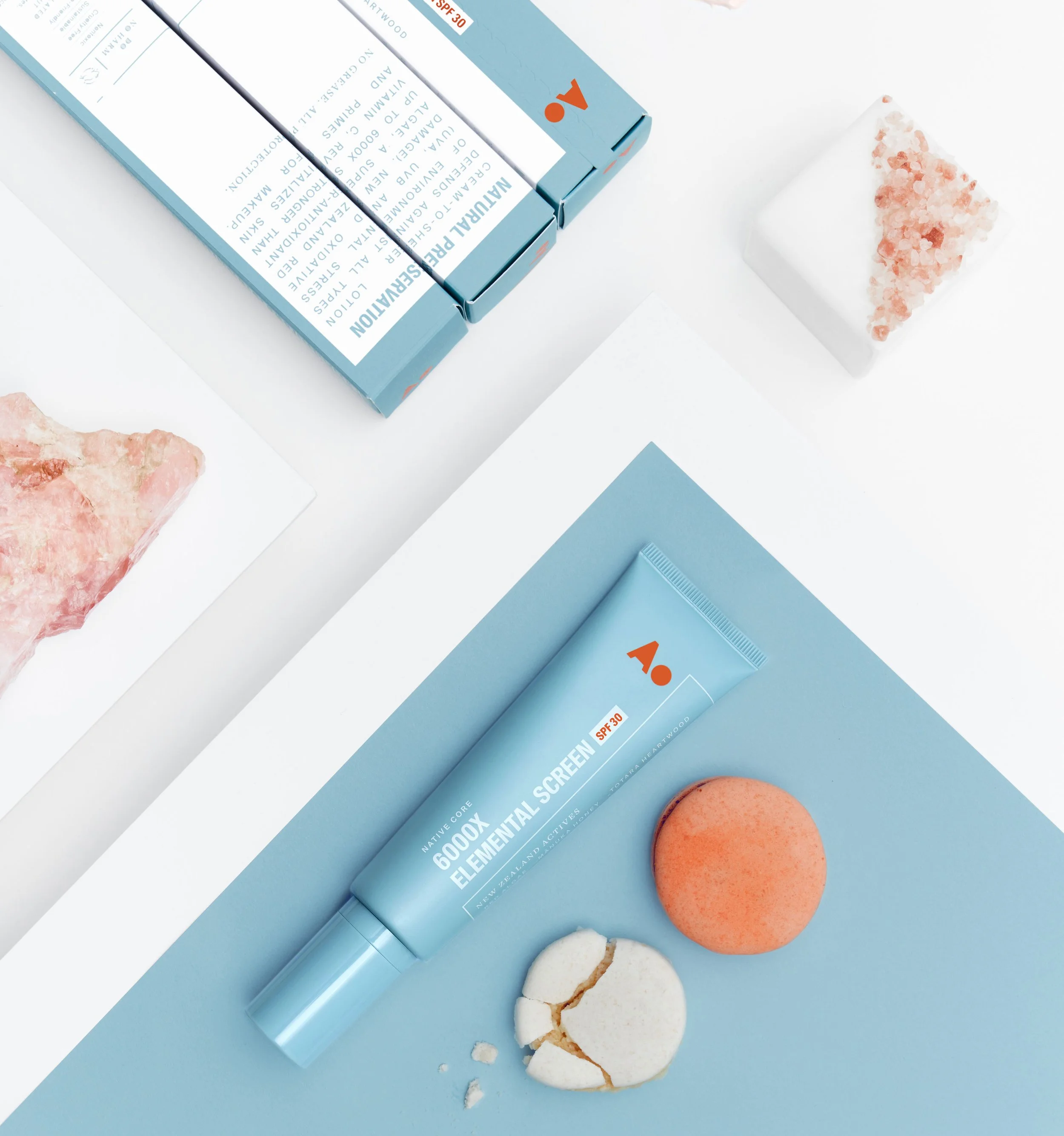
Harvard-trained dermatologist Dr. Mark Gray shares his top zinc oxide sunscreens for 2026, including lightweight, no-white-cast formulas that protect and repair skin daily. Featuring Ao Skincare’s 6000x Elemental Screen® and other favorites for all skin tones and concerns…
I share the best EWG-Verified clean sunscreens for 2026 – reef-safe, gentle formulas free of harmful chemicals that actually feel great on skin. Featuring Ao Skincare’s 6000X Elemental Screen® and other top-rated favorites for every skin type…
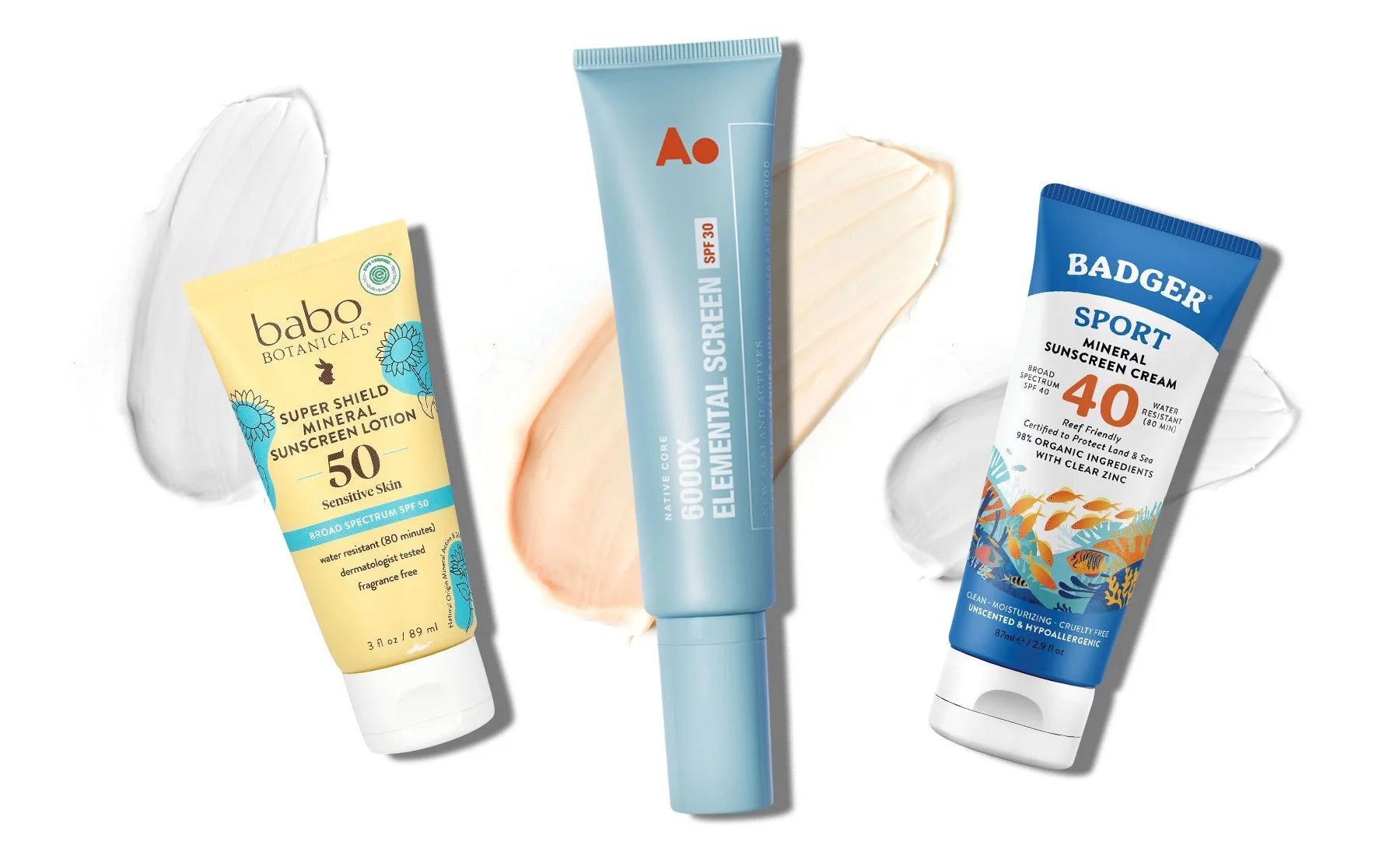
Zinc oxide has long been my go-to recommendation for effective, gentle sun protection in my dermatology practice. As a physical blocker, it creates a barrier on the skin's surface to deflect UVA and UVB rays, offering broad-spectrum defense without the absorption concerns of chemical filters. This makes it ideal for all skin types…
In a world where skin cancer affects millions, one visionary dermatologist has turned decades of expertise into a breakthrough: a clean, non-toxic mineral sunscreen that protects, repairs, and revitalizes. Meet the science-backed shield born from relentless innovation…
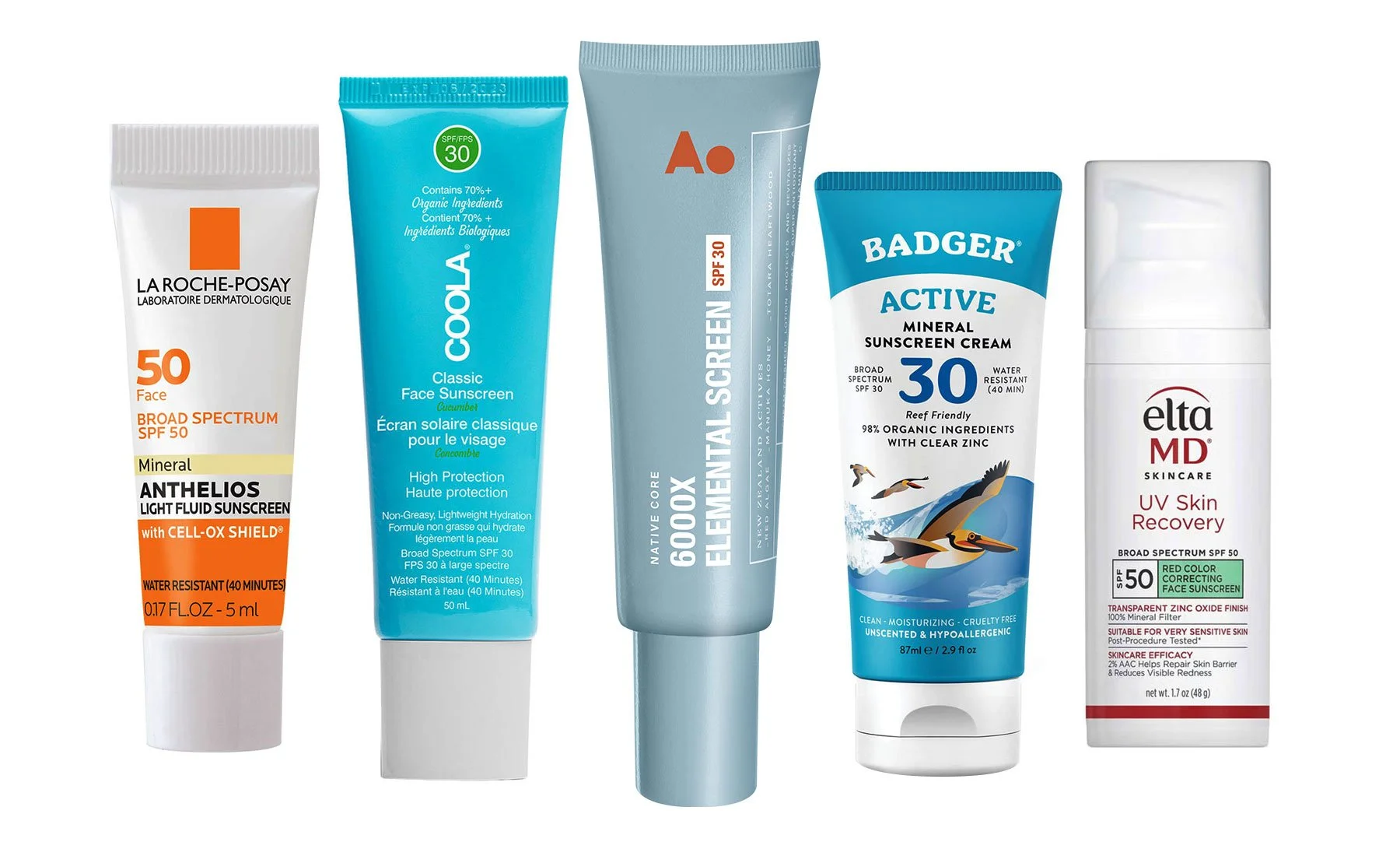
In this roundup, I've selected standout sunscreens for sensitive skin, prioritizing fragrance-free, non-comedogenic picks with calming ingredients like zinc oxide, ceramides, and antioxidants. These range from drugstore deals to high-end dermatologist-grade…
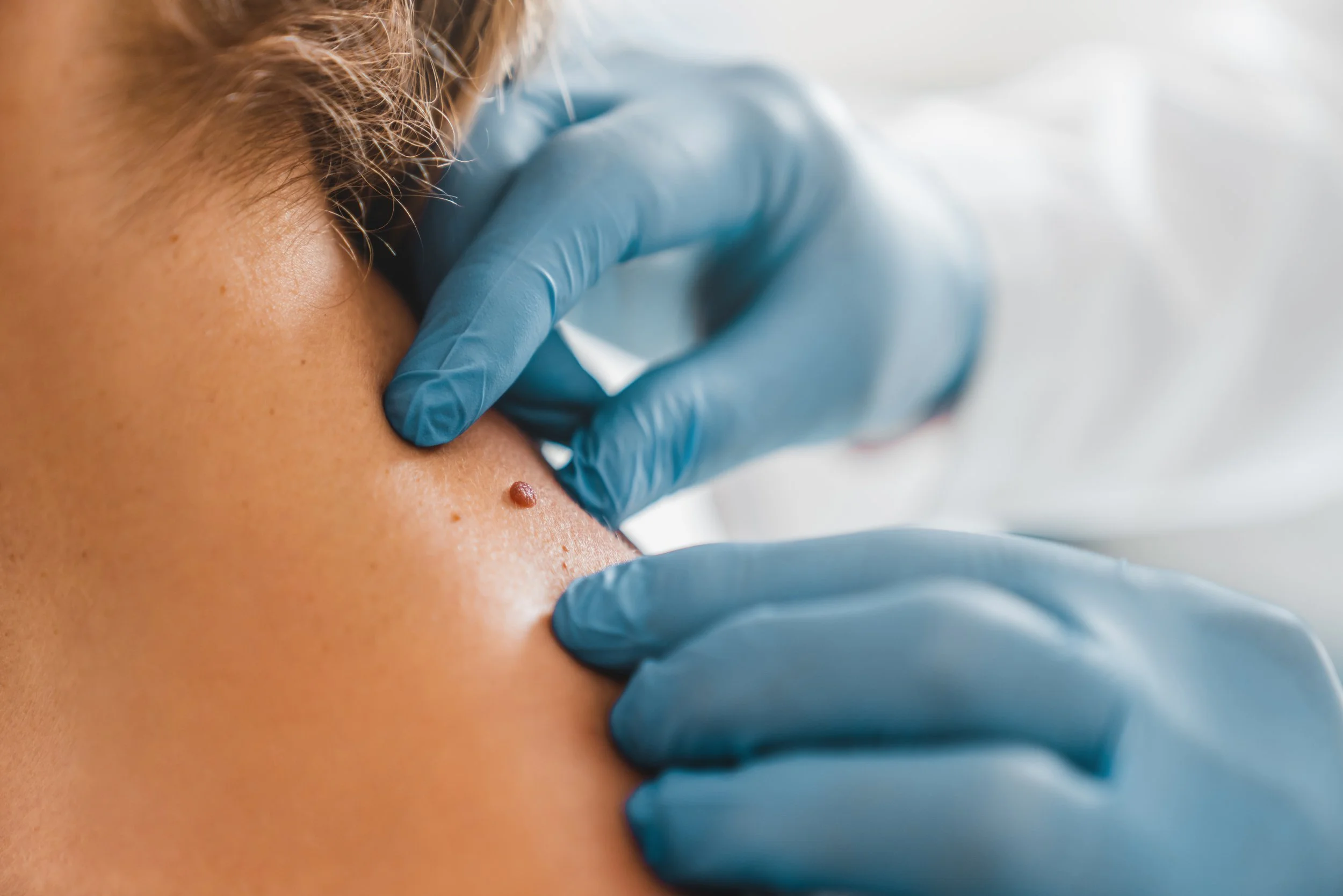
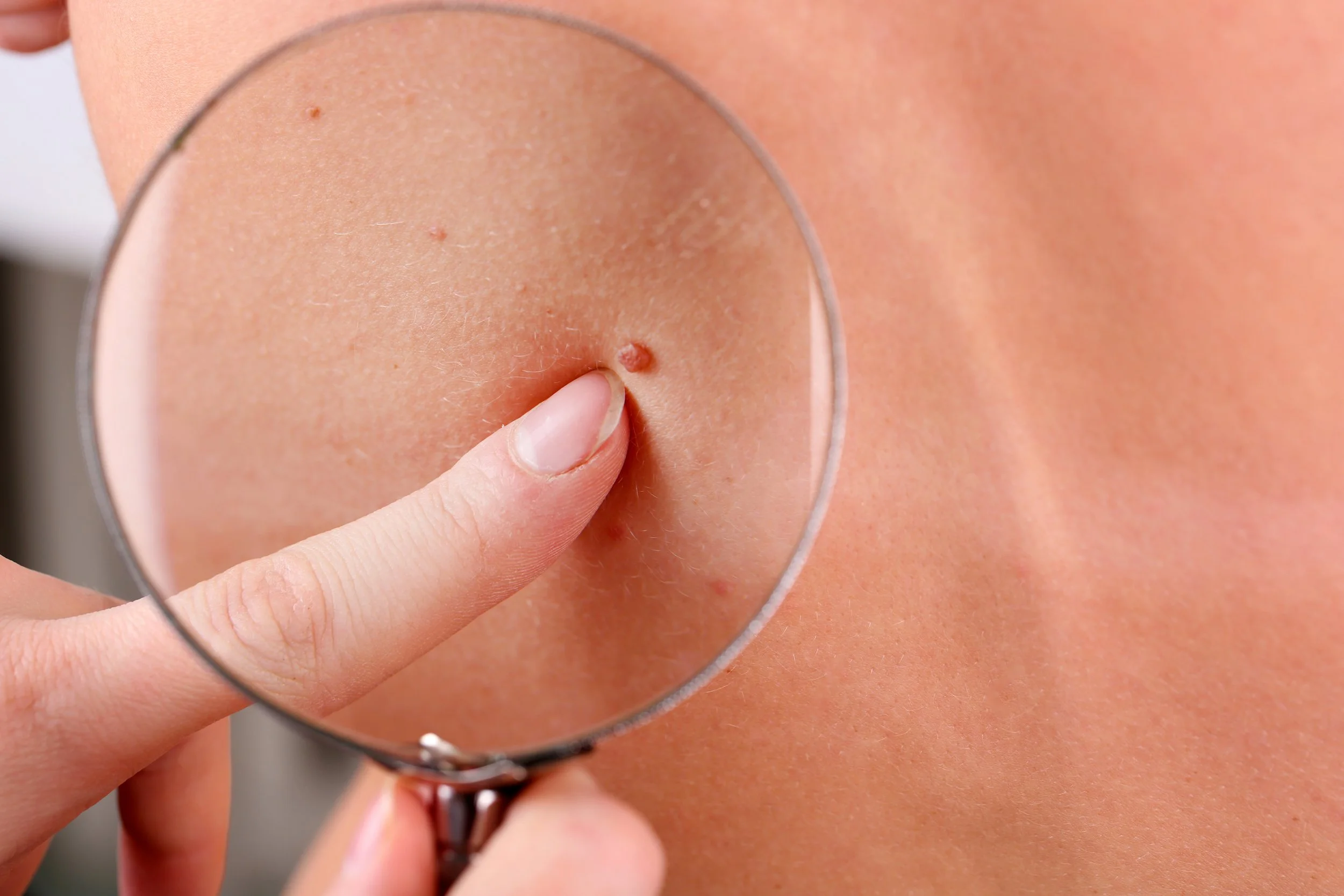
In my 25 years as a dermatologist, I've witnessed the subtle yet devastating impact of sun exposure on skin health. What many dismiss as a harmless tan or freckle is often the early sign of cumulative UV damage. Ultraviolet radiation, particularly UVA and UVB rays, penetrates the skin, triggering a cascade of cellular changes that accelerate aging and increase cancer risk…
Mineral sunscreens, using zinc oxide or titanium dioxide, have revolutionized suncare by providing physical barriers that reflect UV rays rather than absorbing them like chemicals. The key to their usability lies in particle size, but nanonized particles (nano <100 nm) raise concerns. Alarming stat…
From founding New Zealand's largest skin cancer clinic chain, the Skin Institute, to pioneering MoleMap with over 100 clinics worldwide, my career has been dedicated to prevention. Sunscreen is a cornerstone of that effort – but not all sunscreens are created equal. In today's market, cheap options flood shelves and online stores, promising protection at a bargain price. While affordability is appealing, these products often cut corners on quality, safety, and efficacy…
Skin cancer isn't just a statisti – it's a reality shaped by cumulative sun exposure, as evidenced by global epidemiology. The World Health Organization reports over 1.5 million new cases annually, with melanoma rates climbing 3% yearly in sunny regions…
Indoor UV is a sneaky foe—standard glass blocks UVB but lets 50-75% UVA through (Journal of Investigative Dermatology). A study of 84 office workers found those near windows had 170% more skin damage on exposed sides…
Climate change is amplifying UV threats, turning sunscreen from luxury to necessity. The IPCC reports UV levels rising 2-6% per decade due to ozone thinning, with hotter temperatures increasing skin cancer risks by 4-6% per degree Celsius. In regions like California…
Top Stories
The Science of Suncare
All Stories
The Hidden Dangers of Sun Exposure: A Dermatologist's Wake-Up Call
In my 25 years as a dermatologist, I've witnessed the subtle yet devastating impact of sun exposure on skin health. What many dismiss as a harmless tan or freckle is often the early sign of cumulative UV damage. Ultraviolet radiation, particularly UVA and UVB rays, penetrates the skin, triggering a cascade of cellular changes that accelerate aging and increase cancer risk…