
Surviving Skin Cancer: Lessons from Real-World Evidence
By Dr. Mark Gray, Harvard-Trained Dermatologist and Ao Co-Founder
The Global Scale of Skin Cancer
Skin cancer isn't just a statistic – it's a reality shaped by cumulative sun exposure, as evidenced by global epidemiology. The World Health Organization reports over 1.5 million new cases annually, with melanoma rates climbing 3% yearly in sunny regions. In my career, I've drawn from studies like the Nurses' Health Study, which followed 121,700 women and found that five or more severe sunburns before age 20 doubled melanoma risk, highlighting how early habits set lifelong trajectories.
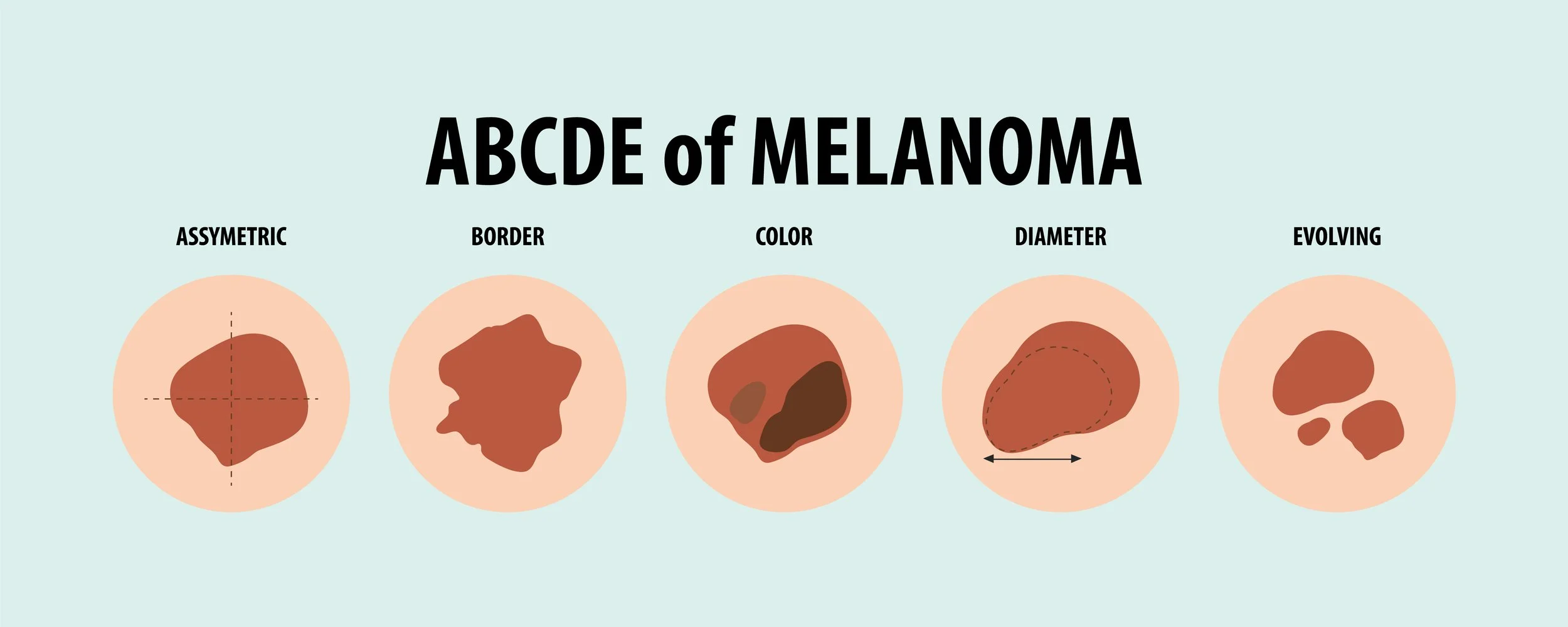
The ABCDE of skin cancer
Alarming Trends and Prevention Data
Alarming stats reveal the scale: In the US alone, one person dies from melanoma every hour (Skin Cancer Foundation), yet non-melanoma skin cancers affect more Americans than all other cancers combined. Real-world data from Australia's Slip! Slop! Slap! campaign shows a 20% drop in melanoma incidence after widespread sunscreen adoption, proving prevention works. Dermatology research, including a 2011 Australian randomized trial, demonstrated that daily SPF15 use reduced melanoma by 50% over 4.5 years.
Biological Pathways of UV-Induced Cancer
From a scientific lens, UV radiation causes DNA mutations in keratinocytes, leading to basal/squamous cell carcinomas, or in melanocytes for melanoma. A meta-analysis in The Lancet Oncology linked intermittent intense exposure (e.g., vacations) to higher risks, emphasizing consistent protection.
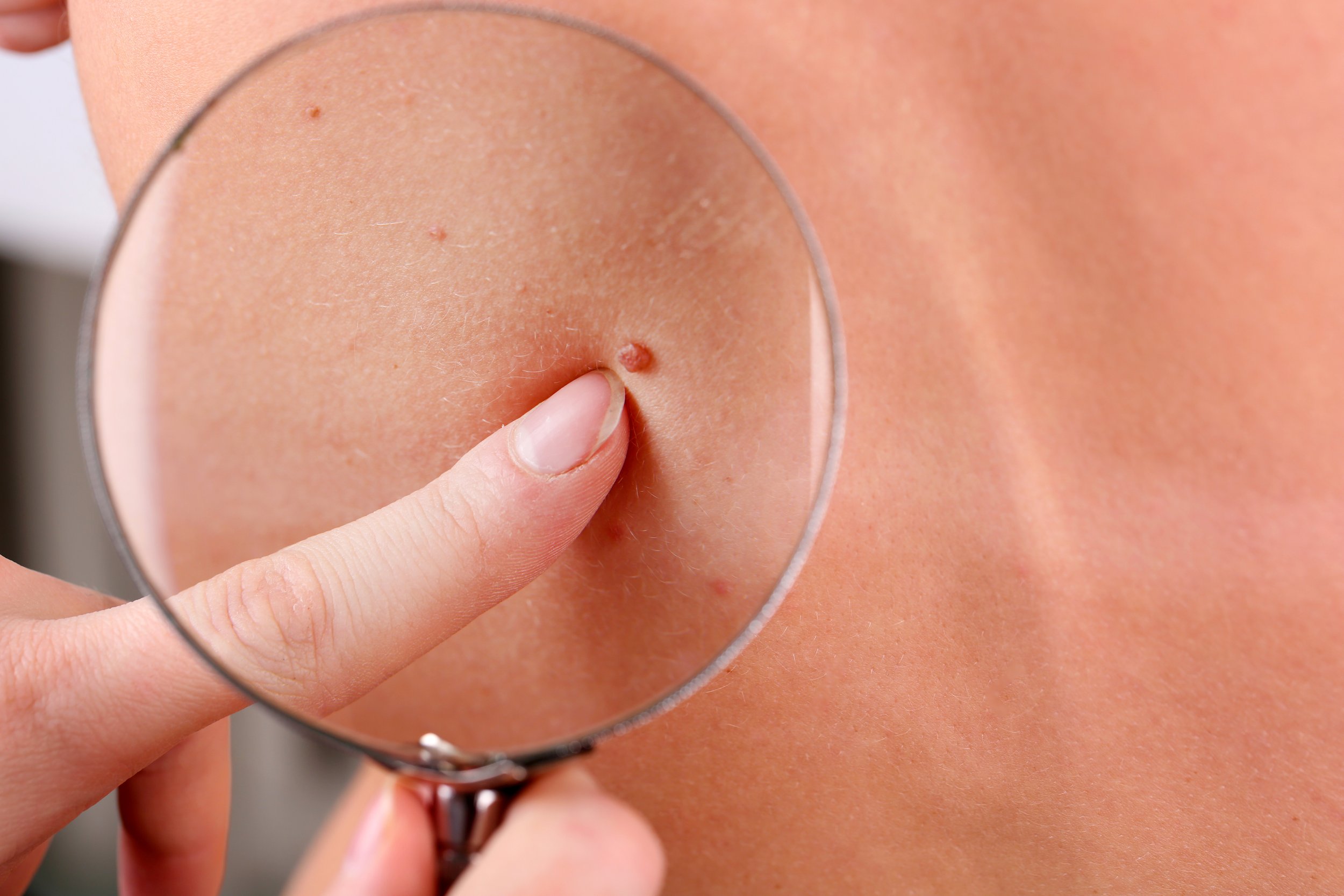
The iportance of regular mole/skin checks
Strategies for Recovery and Long-Term Health
Survivors' outcomes improve with early detection and repair-focused care. Ao's Advanced Sun Recovery set, including our clinically trialed PM Serum for firmness restoration, supports post-exposure healing – subtly aiding recovery alongside medical advice.
